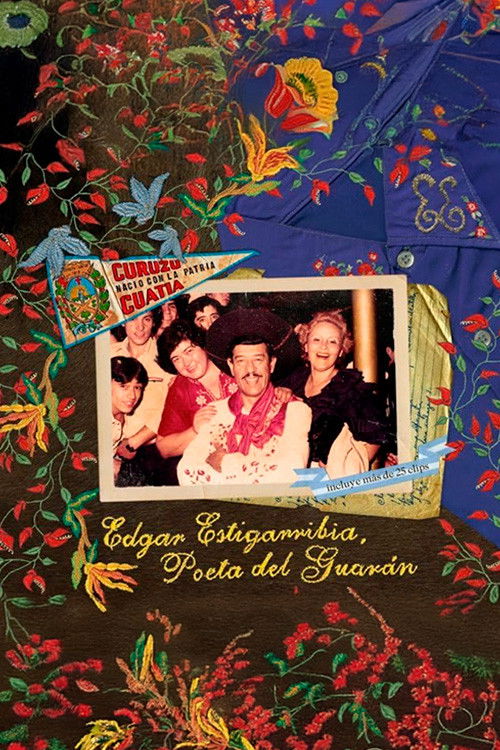
Edgar Estigarribia, The Poet of Guarán
2006
No user ratings available yet
Representation score: 4.0 out of 10

Representation Score
Limited
2003
AtpDirector
Silvia Di Florio
Runtime
72 minutes
Average Rating
No ratings yetNew Showbiz Analysis
This documentary serves as a biographical study of accordionist Raúl Barboza, focusing on his role within the chamamé musical tradition. The film functions primarily as a tool for cultural preservation rather than a vehicle for identity politics. Its strength lies in its commitment to regional identity. By centering a figure of significant importance to Argentine folk music, the film offers a meaningful counter-narrative to homogenized, mainstream media. However, the film's scope is narrow. Because it is a biographical study of a specific male icon, it lacks broader representation of diverse identities, LGBTQ+ narratives, or explicit gender subversion.
Category Breakdown
The film focuses on the musical and personal history of Raúl Barboza. There is no evidence of LGBTQ+ narratives or critiques of the assumption that everyone is straight or cisgender.
The documentary centers on a male figure. While it may offer glimpses into domestic or professional spheres, it lacks specific evidence of women's ability to drive the story or gender-role subversion.
The narrative validates non-metropolitan, folk-based identities through the lens of chamamé. This provides a platform for regional Argentine cultural expression outside of dominant Westernized media structures.
The work prioritizes regional folk traditions and local artistry over mainstream commercial standards. It promotes cultural specificity that challenges the hegemony of globalized pop-culture norms.
There is no documented evidence regarding the portrayal of disability within this biographical work.
Present on Screen
Limited or Absent
Official Synopsis
Documentary about the chamamé accordionist Raúl Barboza, born in Buenos Aires in 1938.
2006

2013

2018

2001

1971
1979

2018
2008
No reviews yet. Be the first to share your thoughts on this movie!
Use the rating form above to leave a star rating and optional review.