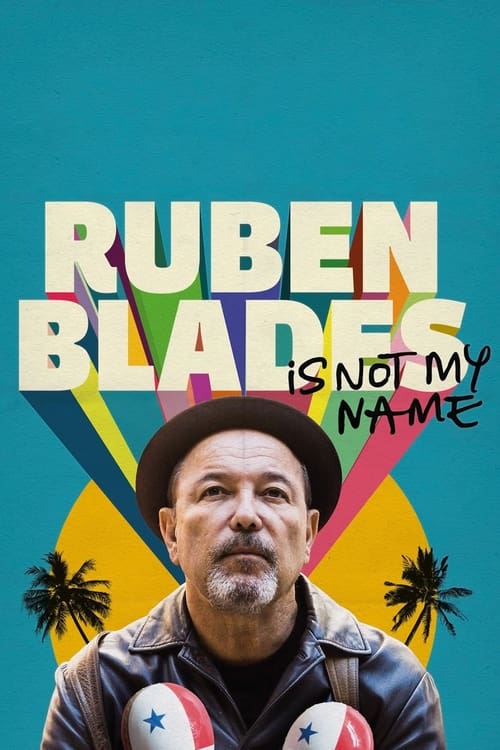
Ruben Blades Is Not My Name
2018
No user ratings available yet
Representation score: 8.4 out of 10

Representation Score
Excellent
2013
Director
Rodrigo H. Vila
Runtime
93 minutes
Average Rating
No ratings yetNew Showbiz Analysis
The documentary is a powerful exploration of cultural identity and political resistance. It succeeds by centering the voices of the Global South and highlighting the role of a woman navigating high-stakes political environments. While the film excels in racial, ethnic, and gender representation, it lacks specific focus on LGBTQ+ identities or disability. These omissions are not due to negative clichés but rather a concentrated focus on the Nueva Canción movement. Ultimately, the film serves as a vital piece of historical revisionism, replacing state-sponsored narratives with a celebration of multi-layered identity and the resilience of the underrepresented.
Category Breakdown
The film focuses on the socio-political and musical legacy of Mercedes Sosa. It does not explicitly center LGBTQ+ narratives or non-cisgender identities as primary themes.
Mercedes Sosa is portrayed as a strong intellectual and political figure. The film emphasizes her role in challenging male-dominated landscapes and subverting traditional domestic roles.
The documentary celebrates indigenous and folk traditions, positioning Latin American ethnic identities at the center. It highlights Sosa’s role in elevating the voices of underrepresented and indigenous communities.
The narrative engages with post-colonial critiques and the struggle against dictatorship. It celebrates a collective identity rooted in social equity and resistance to systemic oppression.
Disability is not a central theme in the documentary. The film prioritizes the broader socioeconomic and political conditions of the era.
Present on Screen
Limited or Absent
Official Synopsis
Almost fifty years ago, Mercedes Sosa drafted together with other young artists, the so-called "Manifesto del Nuevo Cancionero" (The New songbook Manifesto). Apart from the millions of records she sold, the thousands of concerts she made all over the world, her countless fans and detractors, Mercedes Sosa left behind an indelible legacy. This film is a deep intimate journey into Mercedes Sosa's world, not only as an artist but as human being. An autobiography through her own voice, with never seen before archive and several international artists giving their testimony about Mercedes's.
2018
2018
2017
2022

2014
1999
2017
2015
No reviews yet. Be the first to share your thoughts on this movie!
Use the rating form above to leave a star rating and optional review.