
Copa 71
2024
No user ratings available yet
Representation score: 6.3 out of 10
Representation Score
Good
2021
Director
Christopher Nelius
Runtime
108 minutes
Average Rating
No ratings yetNew Showbiz Analysis
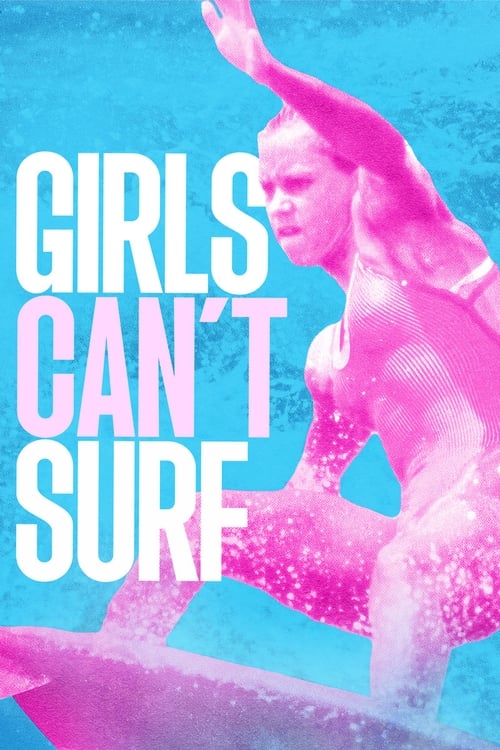
Girls Can't Surf is a powerful deconstruction of gendered power dynamics in professional sports. By focusing on the historical struggle of female surfers against a male-dominated establishment, the film successfully challenges traditional social hierarchies and institutional gatekeeping. The documentary excels at portraying women as agents of systemic change rather than mere athletes. It uses the biographical history of surfing icons to critique the sexism and radical male egos that defined the 1980s subculture. While the film is a triumph for gender representation, it lacks explicit focus on LGBTQ+ identities or diverse racial the way different parts of someone's identity overlap. The narrative remains primarily centered on the gendered liberation of the professional surfing circuit.
Category Breakdown
The documentary focuses on the gendered struggle for equality within a professional circuit that assumes everyone is straight. It highlights breaking gender binaries related to athletic prowess rather than explicit LGBTQ+ identities.
The film serves as a direct critique of patriarchal structures. It documents women challenging and dismantling the male-dominated 1980s surfing world to assert physical dominance.
The narrative focuses heavily on the biographical journeys of specific surfing icons. It prioritizes individual female empowerment over broader racial dynamics within the professional circuit.
The film portrays the 1980s surfing world as an oppressive system that excluded women. Female surfers are shown as systemic rebels fighting against an exclusionary establishment.
There is no specific evidence regarding the portrayal of physical or neurodivergent disabilities in this work.
Present on Screen
Limited or Absent
Official Synopsis
It’s the 1980s and the world of professional surfing is a circus of fluorescent colors, peroxide hair and radical male egos. "Girls Can't Surf" follows the journey of a band of renegade surfers who took on the male-dominated professional surfing world to achieve equality and change the sport forever. Featuring surfing greats Jodie Cooper, Frieda Zamba, Pauline Menczer, Lisa Andersen, Pam Burridge, Wendy Botha, Layne Beachley and more, "Girls Can't Surf" is a wild ride of clashing personalities, sexism, adventure and heartbreak, with each woman fighting against the odds to make their dreams of competing a reality.
2024
2016

2021
2002
2021

2020

2010
2024
No reviews yet. Be the first to share your thoughts on this movie!
Use the rating form above to leave a star rating and optional review.