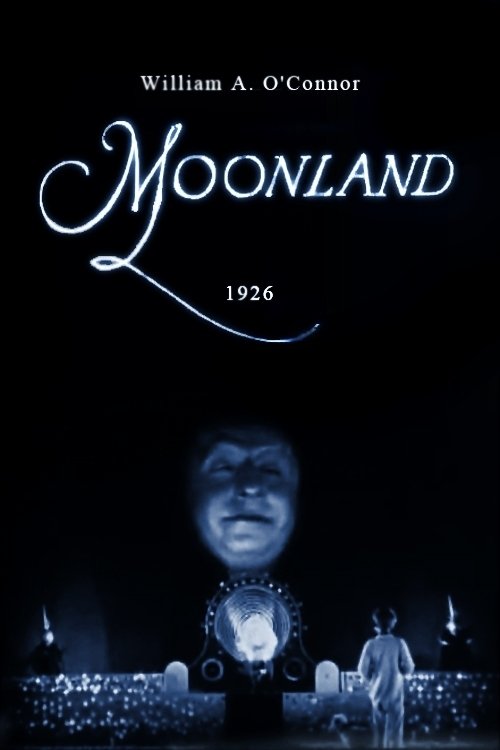
Moonland
1926
No user ratings available yet
Representation score: 1.7 out of 10
Representation Score
Minimal
1910
Director
Ashley Miller
Runtime
5 minutes
Average Rating
No ratings yetNew Showbiz Analysis
A Trip to Mars reflects the narrow social and narrative constraints of 1910 silent cinema. The plot follows a standard protagonist arc centered on scientific achievement rather than diverse human experiences. The film lacks multi-layered representation, focusing instead on a singular male figure and traditional formulas of progress. This results in a narrative that reinforces historical hierarchies rather than disrupting them.
Category Breakdown
The film does not include any characters with LGBTQ+ identities or non-cisgender identities. The narrative focuses entirely on a scientific discovery.
The story centers around a male professor of chemistry, following traditional patriarchal structures. There is no indication of female characters or subversion of gender hierarchies.
The film appears to follow homogeneous, Western-centric casting trends typical of early science fiction. No non-white majority or diverse casting is mentioned.
The premise aligns with Enlightenment-era values of empirical mastery and scientific progress. It lacks any secularist or anti-Western critiques.
There is no mention of characters with visible or invisible disabilities. Disability is not used as a narrative device in this story.
Present on Screen
Limited or Absent
Official Synopsis
A certain professor of chemistry discovers two substances that, combined, make it possible to contravene the laws of gravity, a discovery that will have unexpected consequences for him.
1926
1929

1904
1961
1902
1909
1915
1905
No reviews yet. Be the first to share your thoughts on this movie!
Use the rating form above to leave a star rating and optional review.