Trip to Mars
1924
No user ratings available yet
Representation score: 1.1 out of 10
Representation Score
Minimal
1926
Director
William A. O'Connor
Runtime
11 minutes
Average Rating
No ratings yetNew Showbiz Analysis
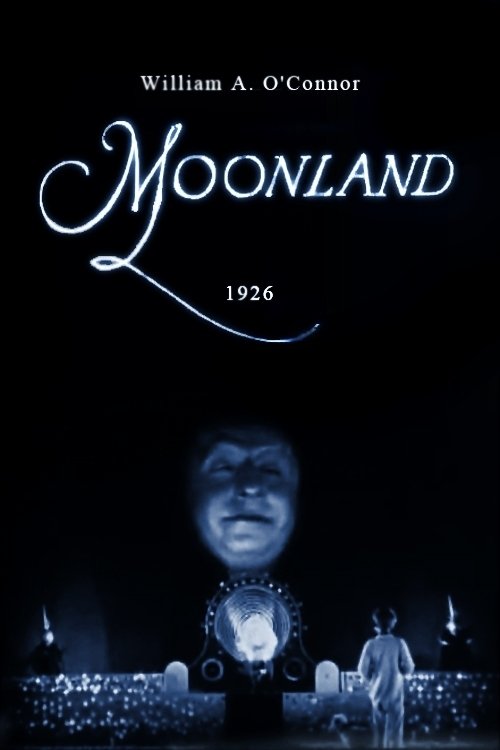
Moonland is a product of its time, serving as a whimsical silent-era adventure. The narrative centers on a child's magical journey, emphasizing escapism and traditional fantasy clichés over social commentary. The film lacks intentionality regarding diverse representation. It relies on standard archetypes and homogeneous casting, reflecting the cinematic constraints of 1926. Ultimately, the work serves as a simple fable, offering a sense of wonder through its fantastical setting but failing to engage with diverse identities or underrepresented perspectives.
Category Breakdown
The film does not show any non-straight or non-cisgender identities or same-sex relationships. It follows the traditional structures of the 1920s silent film era.
The story focuses on a young male character named Mickey. There are no strong female roles or challenges to traditional gender roles.
The story includes fantastical creatures rather than a diverse human cast. It adheres to the homogeneous casting standards of the time.
The film operates as a traditional fable centered around a magical journey. It emphasizes escapism and standard moral themes without addressing Western institutions or social structures.
There is no information about the depiction of characters with physical or cognitive differences. No assessment can be made about the presence of such characters.
Present on Screen
Limited or Absent
Official Synopsis
The Man in the Moon invites little Mickey and his dog over for a visit. They go on a magical trip and meet strange characters along the way.
1924
1910
1902
1917
1933
1935
1921

1921
No reviews yet. Be the first to share your thoughts on this movie!
Use the rating form above to leave a star rating and optional review.