Taxi!
1932
No user ratings available yet
Representation score: 1.7 out of 10
Representation Score
Minimal
1941
NRDirector
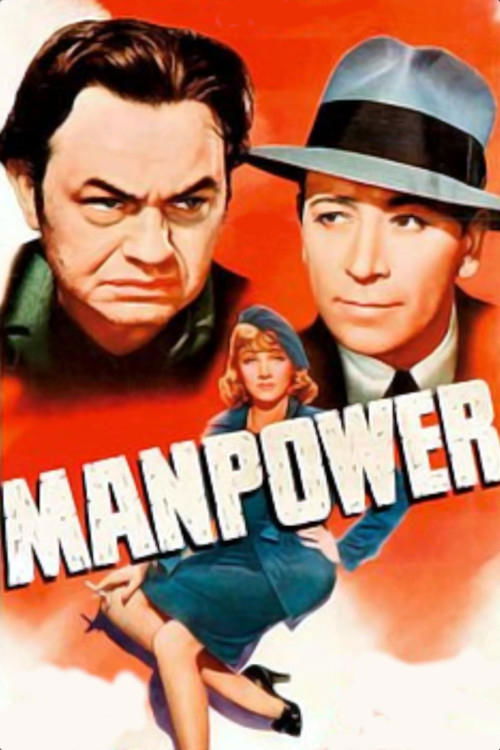
Raoul Walsh
Runtime
104 minutes
Average Rating
No ratings yetNew Showbiz Analysis
Manpower is a classic example of 1940s studio filmmaking, prioritizing ensemble entertainment over social complexity. The narrative relies on established hierarchies and traditional values, offering limited space for diverse perspectives. The film's social landscape is largely monolithic, lacking racial or ethnic variety. Physical injury is used as a plot device, but the film avoids meaningful engagement with disability or neurodivergence. Overall, the work reinforces the era's standard gender roles and straight-centered structures, maintaining a conventional and narrow worldview.
Category Breakdown
The film assumes everyone is straight and cisgender, with no depictions of LGBTQ+ identities or same-sex relationships.
Female characters mainly serve as romantic catalysts or comedic relief. The story emphasizes traditional gender roles and male leadership.
The cast is homogeneous, with no multi-ethnic representation or complexity in the story.
The film upholds traditional Western social structures and capitalism, presenting a stable, conventional worldview without challenging social norms.
Injury is used solely as a plot device to advance the storyline, without exploring the lived experiences of disability.
Present on Screen
Limited or Absent
Official Synopsis
Hank McHenry and Johnny Marshall work as power company linesmen. Hank is injured in an accident and subsequently promoted to foreman of the gang. Tensions start to show in the road crew as rivalry between Hank and Johnny increases.
1932
1940
1937
1939
1953
1950
1943
1931
No reviews yet. Be the first to share your thoughts on this movie!
Use the rating form above to leave a star rating and optional review.