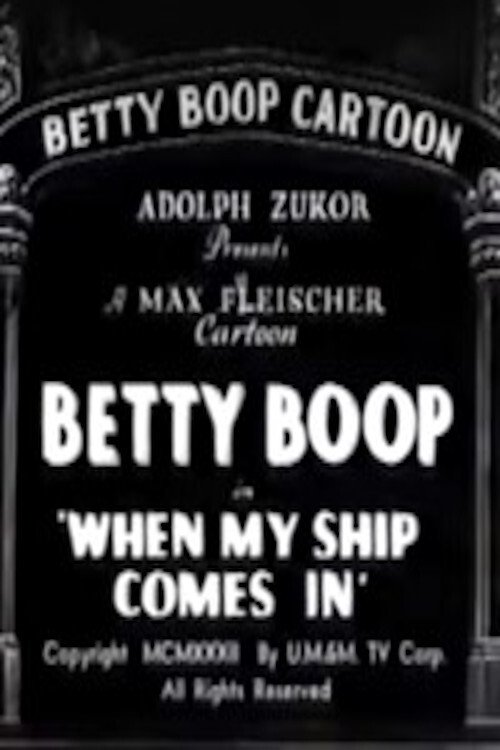
When My Ship Comes In
1934
No user ratings available yet
Representation score: 0.4 out of 10
Representation Score
Minimal
1939
ApprovedDirector
Ben Harrison
Runtime
6 minutes
Average Rating
No ratings yetNew Showbiz Analysis
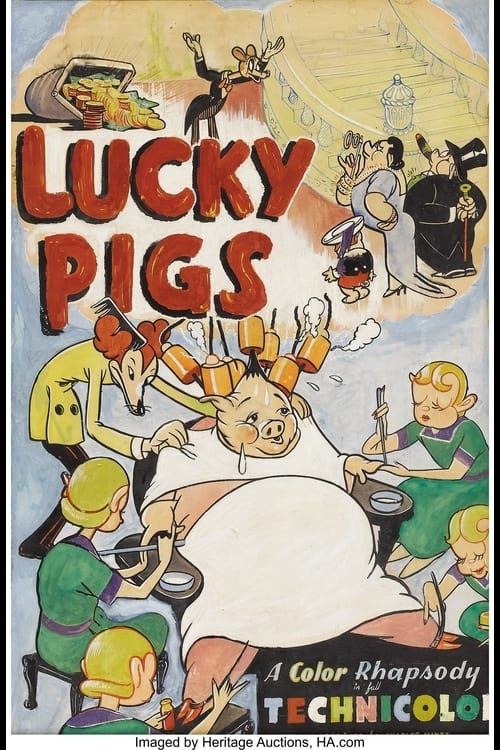
Lucky Pigs is a traditional comedic short that reflects the social and economic norms of its time. The narrative focuses on reinforcing established cycles rather than disrupting them. The film lacks complexity in reflecting multiple aspects of identity and adheres to conventional storytelling norms of the mid-20th century without social commentary. Ultimately, it serves as a snapshot of classic animation clichés, prioritizing slapstick humor and cyclical narratives over diverse or subversive representation.
Category Breakdown
The film centers on a typical nuclear family setup and does not include any non-straight gender identities or same-sex relationships.
The story follows a traditional domestic structure with characters likely embodying conventional gender roles of the time. There is no indication of challenging these roles.
Featuring anthropomorphic pigs, the film does not depict human racial or ethnic diversity. Characters serve as socioeconomic types rather than ethnic identities.
The plot emphasizes Western institutional structures, particularly capitalism and taxation. The tax collector character is used for comedic effect to reinforce the status quo.
There is no depiction of characters with physical or neurodivergent disabilities in this short film.
Present on Screen
Limited or Absent
Official Synopsis
A down-and-out family of pigs wins a sweepstakes, are immediately besieged by reporters and photographers, and then go on a wild spending spree, which soon exhausts their windfall-prize money. Than the tax collector shows up. After paying the taxes, the pigs are right back where they started from.
1934
1939
1944
1951

1937

1937

1945
1937
No reviews yet. Be the first to share your thoughts on this movie!
Use the rating form above to leave a star rating and optional review.