Catapult
2009
No user ratings available yet
Representation score: 4.3 out of 10
Representation Score
Fair
1991
Director
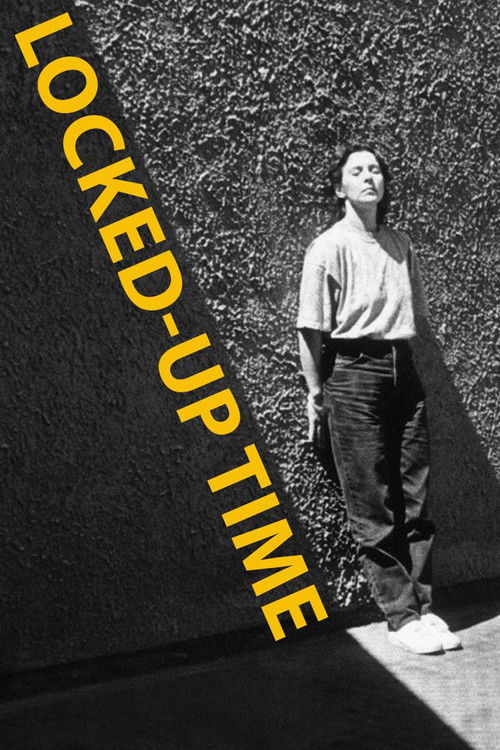
Sibylle Schönemann
Runtime
94 minutes
Average Rating
No ratings yetNew Showbiz Analysis
Locked-Up Time stands as a powerful critique of institutional authority, using the director's personal experience as a political prisoner to challenge state-mandated hierarchies. By centering a female perspective within a traditionally male-dominated political sphere, the film offers a unique lens on systemic oppression. However, the film lacks broader demographic diversity. Its focus on the specific geopolitical context of German reunification results in a homogeneous cast, offering limited representation of racial or LGBTQ+ identities. Ultimately, the work finds its strength in the tension between the individual and the collective, prioritizing the deconstruction of systemic oppression over diverse social representation.
Category Breakdown
The documentary does not include any visible LGBTQ+ identities or same-sex relationships. While the focus is on political imprisonment, there are no elements that specifically relate to LGBTQ+ experiences.
The film highlights the subjective experience of a woman navigating injustice, disrupting traditional patriarchal hierarchies. It centers on women's ability to drive the story and the female gaze, shifting the focus away from male-dominated authority.
The film reflects the homogeneous demographics of the Cold War-era GDR and FRG. There is no evidence of diverse racial backgrounds within this specific historical context.
The narrative questions the authority of institutional power, focusing on the state's role in oppression. It prioritizes the deconstruction of state-mandated morality and the individual's experience of victimization.
There is no specific evidence regarding the portrayal of physical or neurodivergent disabilities. The psychological impact of imprisonment may be a potential subtext but is not explicitly addressed.
Present on Screen
Limited or Absent
Official Synopsis
Filmmaker Sibylle Schoenemann, imprisoned by the GDR in 1984, was released to the FRG after having West Germany literally buy her freedom. In 1990 she went back and questioned those responsible.
2009

2011

2010

2020
1994

2016
1979

2019
No reviews yet. Be the first to share your thoughts on this movie!
Use the rating form above to leave a star rating and optional review.