
Crulic: The Path to Beyond
2011
No user ratings available yet
Representation score: 6.3 out of 10

Representation Score
Excellent
2016
Director
Alexander Lahl, Volker Schlecht
Runtime
7 minutes
Average Rating
No ratings yetNew Showbiz Analysis
Kaputt is a specialized animated documentary that elevates the voices of underrepresented women by recontextualizing historical testimony. Its strength lies in its gender-centric approach, using personal accounts to challenge state-driven narratives and patriarchal structures. The film's impact is rooted in its critique of systemic oppression and its focus on individual truth. By centering the carceral experiences of women, it provides a necessary counter-narrative to official GDR history. However, the film's scope appears localized to the specific ethnic and social demographics of the former East Germany, limiting its broader racial and ethnic diversity.
Category Breakdown
The film focuses on the lived experiences of women in the GDR prison system. While specific LGBTQ identities are not explicitly detailed, the narrative structure suggests a potential for exploring non-traditional identities.
The work disrupts traditional hierarchies by centering women's ability to drive the story and the systemic pressures of a patriarchal state. It shifts focus from state authority to the internal resilience of women.
The demographic scope likely centers on the specific social strata of the former GDR. There is insufficient evidence to confirm significant racial blending or a non-Anglo-Saxon majority.
The narrative prioritizes a critique of institutional power and state-mandated morality. Using animation to convey documentary truth allows for the prioritization of individual experience over official records.
The film addresses the psychological 'brokenness' implied by its title. However, there is no explicit evidence regarding the portrayal of physical or neurodivergent disabilities.
Present on Screen
Limited or Absent
Official Synopsis
An animated documentary short about the central prison for women in the former GDR, based on interviews with former prisoners.
2011

2020
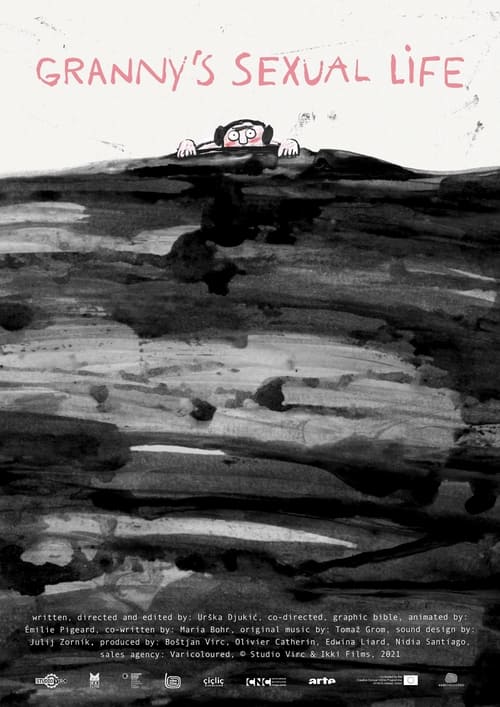
2021

2016

2017
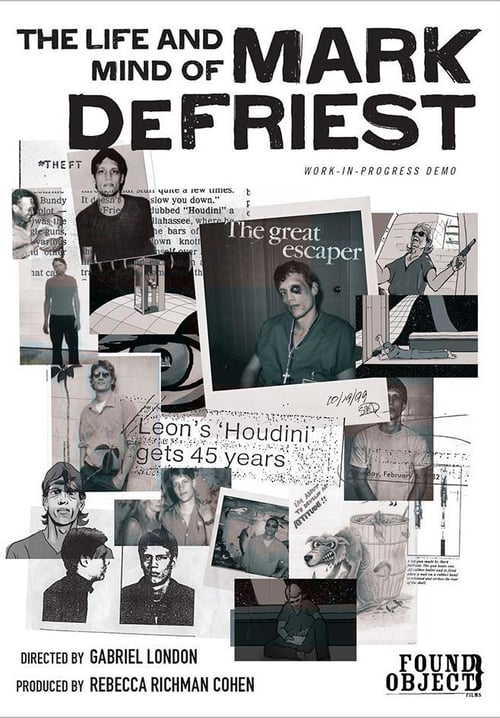
2014

2019
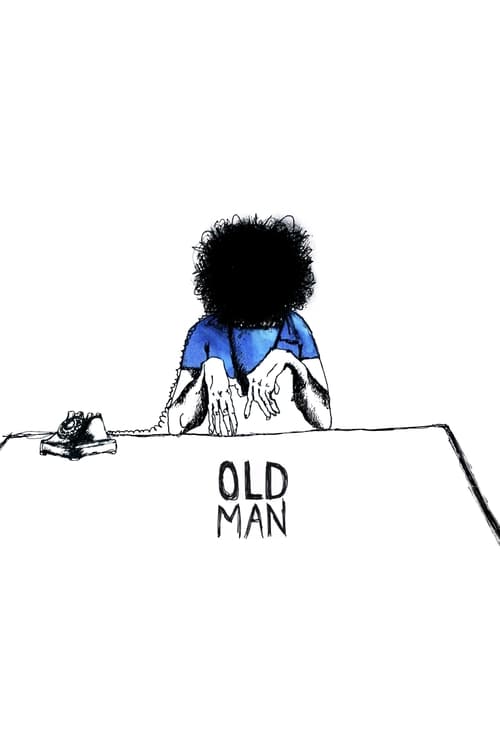
2012
No reviews yet. Be the first to share your thoughts on this movie!
Use the rating form above to leave a star rating and optional review.