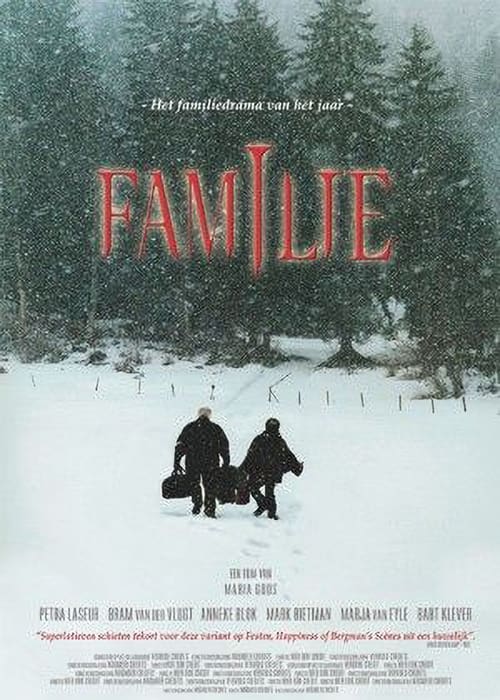
Family
2001
No user ratings available yet
Representation score: 2.7 out of 10
Representation Score
Fair
1999
Director
Danièle Thompson
Runtime
106 minutes
Average Rating
No ratings yetNew Showbiz Analysis
Danièle Thompson’s drama dismantles the idealized family unit, presenting a gritty, psychological realism. By focusing on the complex lives of three sisters, the film shifts away from patriarchal themes to explore female autonomy and economic instability. However, the film remains confined to a narrow demographic scope. Its focus on Western European social dynamics and straight-centered relationships limits its representation of racial and LGBTQ+ identities. Ultimately, the film is a compelling exploration of domestic complexity. It challenges traditional social institutions like marriage while staying within a relatively narrow demographic context.
Category Breakdown
The film focuses on straight relationships and the consequences of infidelity. It does not center on LGBTQ+ narratives or identities.
The story emphasizes the roles of women and their personal autonomy. Characters such as Sonia, Louba, and Milla drive the emotional storyline through their independence and choices.
The setting reflects a predominantly Western European society. Although a Russian restaurant is mentioned, there is no indication of a diverse, non-Anglo-Saxon cast.
The narrative questions the sanctity of traditional family structures. It portrays these structures as sources of dysfunction rather than idealized virtues.
There are no visible or mentioned depictions of physical or neurodivergent disabilities in the film.
Present on Screen
Limited or Absent
Official Synopsis
Christmas, family, and infidelity. Yvette's husband has died, and her grown daughters join her at the grave: Sonia, wealthy, bourgeois, and generous; Louba, living with their dad Stanislas, singing at a Russian restaurant, penniless, the mistress for the past 12 years of a man who will never leave his wife; Milla, the youngest, acerbic, lonesome. Christmas was when they learned their parents were divorcing 25 years ago. Over the next few days, yuletide depression, Louba's pregnancy, Sonia's crumbling marriage, Stanislas's overtures to Yvette, and Milla's attraction to the man who's her father's rent-free lodger lead each one to re-examine self, family, and hopes. Is renewal possible?
2001
2008
2010
1996

2018
1978
2014

2016
No reviews yet. Be the first to share your thoughts on this movie!
Use the rating form above to leave a star rating and optional review.