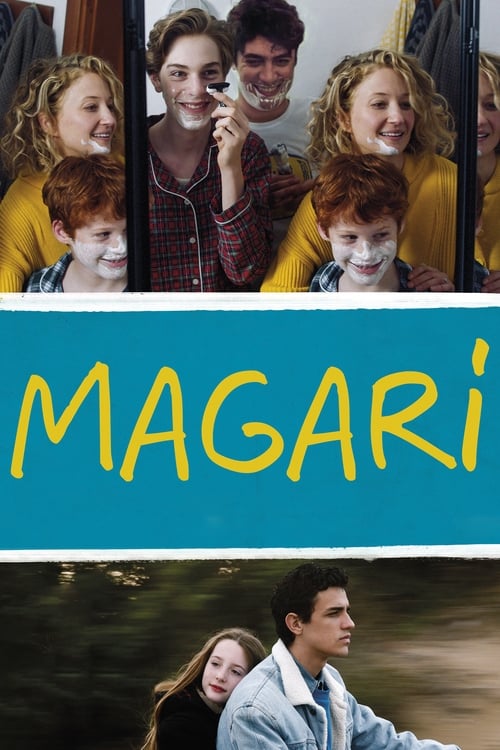
If Only
2020
No user ratings available yet
Representation score: 5.8 out of 10

Representation Score
Good
2014
RDirector
Cherien Dabis
Runtime
100 minutes
Average Rating
No ratings yetNew Showbiz Analysis
May in the Summer offers a sophisticated look at hyphenated identities, specifically the friction between Palestinian heritage and American life. By centering a middle-class diaspora experience, the film avoids the monolithic stereotypes often found in Western cinema. The film excels in its character-driven approach to cultural nuance and the intellectual autonomy of its female protagonists. It successfully deconstructs the immigrant experience through a lens of complex domestic realities. However, the narrative remains largely tethered to traditional family structures. While it provides deep ethnic and gendered insights, it lacks representation for LGBTQ+ identities and disability.
Category Breakdown
The film focuses on traditional family structures and marriage. It lacks explicit LGBTQ+ identities or specific character arcs centered on LGBTQ+ experiences.
The narrative centers the ability to act and emotional labor of female protagonists. It critiques the pressures placed on daughters within immigrant families, prioritizing intellectual autonomy over domestic compliance.
The film provides a nuanced portrayal of the Palestinian-American experience. It avoids ethnic clichés by placing a middle-class Arab-American family within a suburban American context.
The story explores the tension between Western assimilation and cultural preservation. It examines the messy reality of dual identities rather than a singular, Western-centric viewpoint.
There are no prominent depictions of visible or invisible disabilities that serve as central character elements or drive the narrative.
Present on Screen
Limited or Absent
Official Synopsis
A bride-to-be is forced to reevaluate her life when she reunites with her family in Jordan and finds herself confronted with the aftermath of her parents’ divorce.
2020

2024
2016

2022

2014

2014
2018

2008
No reviews yet. Be the first to share your thoughts on this movie!
Use the rating form above to leave a star rating and optional review.