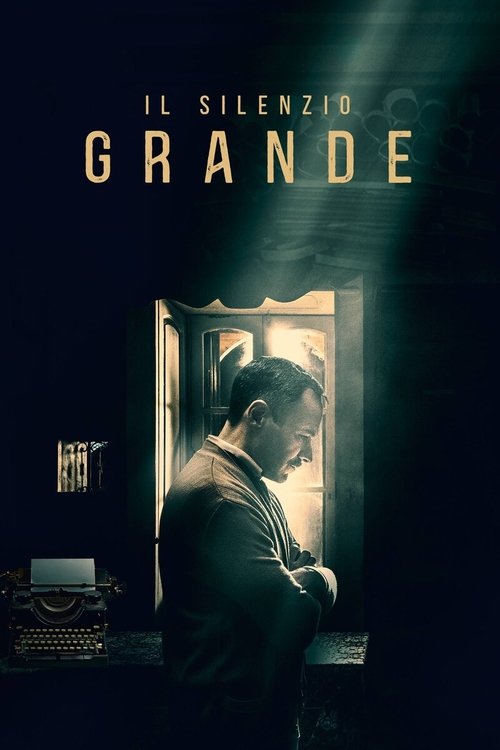
The Great Silence
2021
No user ratings available yet
Representation score: 4.6 out of 10
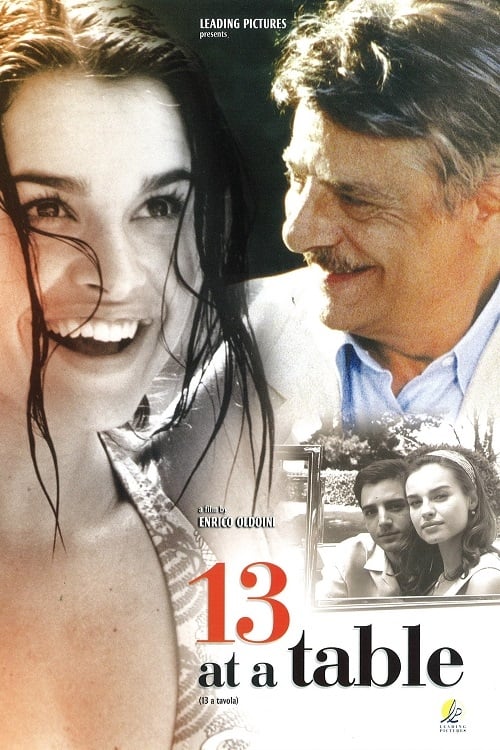
Representation Score
Fair
2004
Director
Enrico Oldoini
Runtime
95 minutes
Average Rating
No ratings yetNew Showbiz Analysis
The film operates as a sentimental character drama that prioritizes traditional family structures. It relies heavily on conventional social norms and nostalgic storytelling, avoiding disruption of established social hierarchies. The narrative architecture reinforces a standard, traditional approach to romance and family. By focusing on a singular, successful romantic pursuit and the preservation of ancestral property, it avoids challenging established social norms. Ultimately, the work reflects a specific, homogeneous cultural setting. It lacks the breadth to represent a wide range of identities, focusing instead on a narrow, conventional social framework.
Category Breakdown
The story revolves around a traditional romantic relationship between the protagonist and Anna. There are no characters with non-binary genders or stories challenging the idea that everyone is straight.
The plot follows a male protagonist navigating romantic and family milestones. Anna is central, but the story frames her affection as a prize won by the male lead.
Set in a Tuscan villa, the film seems to depict a homogeneous Mediterranean population. The cast appears centered on traditional European identities.
The film explores Western values of heritage and family continuity through the preservation of ancestral property. The protagonist's status as a divorced man adds a layer of social realism.
The narrative focuses on interpersonal relationships and property management. There are no characters with visible or invisible disabilities.
Present on Screen
Limited or Absent
Official Synopsis
Giulio, a divorced middle-aged man, returns to the family villa in Tuscany where he spent his childhood holidays with his entire family, to arrange, with his brothers and cousins, for its sale. The house brings back memories of his youth and of the beautiful Anna, whom all her brothers pursued--but he was the one who ultimately won her over. Overcome with emotions, and now aware of the significance of the property, Giulio decides to buy all his relatives' shares and move back to the villa with his family.
2021

2003
2020
2017
2015

1989

2016

2002
No reviews yet. Be the first to share your thoughts on this movie!
Use the rating form above to leave a star rating and optional review.