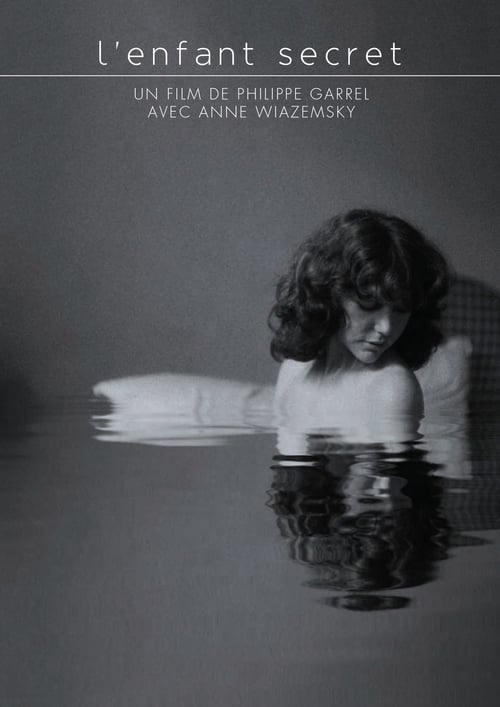
L'Enfant Secret
1982
No user ratings available yet
Diversity score: 4.9 out of 10

1989
Director
Philippe Garrel
Runtime
83 minutes
Average Rating
No ratings yetSynopsis
When film director Mathieu casts a famous actress to portray a character based on his aspiring-actress wife, he creates a rift in his marriage. French filmmaker Philippe Garrel's family members portray versions of themselves in this lyrical drama.
Overall Score
Fair
Category Breakdown
LGBTQ+ Representation
The film explores complex, fluid interpersonal dynamics and subverts traditional romantic archetypes. However, it lacks explicit depictions of non-heteronormative identities.
Gender Representation
The story centers on the friction between a male director and his wife. It challenges patriarchal control by presenting the female subject as a source of conflict rather than a passive muse.
Racial & Ethnic Diversity
The production reflects a homogeneous social environment typical of its European cinematic tradition. There is no evidence of diverse casting or intentional racial blending.
Religious & Cultural Diversity
The narrative prioritizes subjective morality and deconstructs the traditional family unit. It favors individual expression and postmodern identity over institutionalized storytelling.
Disability Representation
The film contains no evidence of disability, neurodivergence, or chronic illness as central narrative elements.
Strengths
Areas for Improvement
AI Analysis
Philippe Garrel’s drama is a deeply psychological work that prioritizes emotional authenticity over demographic breadth. It succeeds in deconstructing traditional power structures, particularly regarding the female gaze and the agency of women in art. While the film offers a sophisticated look at identity and the instability of marriage, it remains culturally specific. The setting and cast reflect a homogeneous European context, offering little in the way of racial or ethnic variety. Ultimately, the film is a study of individual truth and artistic obsession. It trades conventional representation for a fragmented, lyrical exploration of domestic and creative rifts.
1982
1985
2009
1989
1992
1986
1977
1969

2021
1987
2001
1975
No reviews yet. Be the first to share your thoughts on this movie!
Use the rating form above to leave a star rating and optional review.