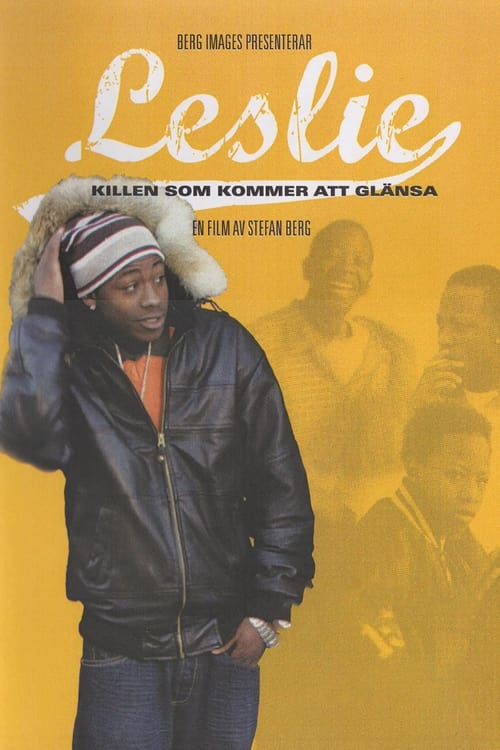
Leslie - Killen som kommer att glänsa
2008
No user ratings available yet
Representation score: 4.7 out of 10

Representation Score
Good
2009
BtlDirector
Maud Nycander
Average Rating
No ratings yetNew Showbiz Analysis
Maud Nycander’s documentary excels by focusing on the internal world of its protagonist, exploring themes of autonomy and the complexities of being an outsider. However, it does not explicitly engage with specific LGBTQ+ identities or disability. While it avoids traditional stereotypes, it does not provide actively leading representations of racial diversity or sexual identities.
Category Breakdown
The film doesn't specifically address LGBTQ+ stories but focuses on emotional landscapes that avoid typical heterosexual assumptions.
The documentary highlights a woman's inner struggles and intellectual independence, challenging the usual relegation of female characters to supporting roles.
The film showcases the diverse cultures of Riga through the eyes of immigrants and outsiders, reflecting the city's natural diversity.
The narrative examines the experience of outsiders to question established national identities, favoring a nuanced view over traditional celebrations of cultural stability.
There is no evidence of characters with visible or invisible disabilities within the film.
Present on Screen
Limited or Absent
2008
2017

2003
2019
2001
2012

2020
1999
No reviews yet. Be the first to share your thoughts on this movie!
Use the rating form above to leave a star rating and optional review.