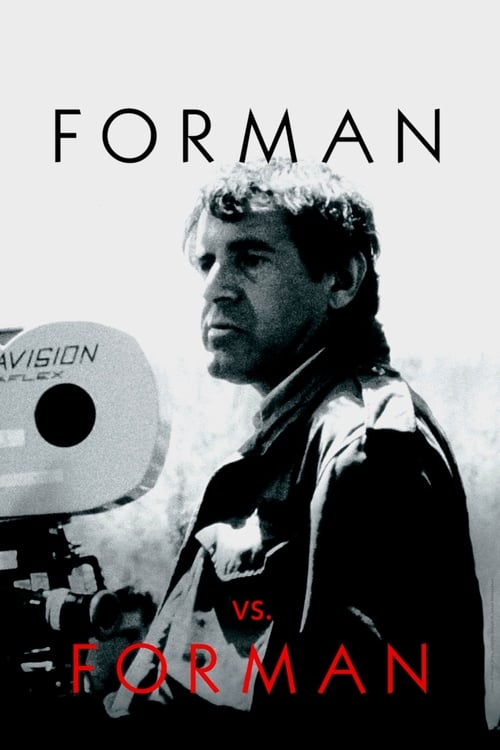
Forman vs. Forman
2019
No user ratings available yet
Representation score: 5.3 out of 10
Representation Score
Fair
2009
Director
Miloslav Šmídmajer
Runtime
100 minutes
Average Rating
No ratings yetNew Showbiz Analysis
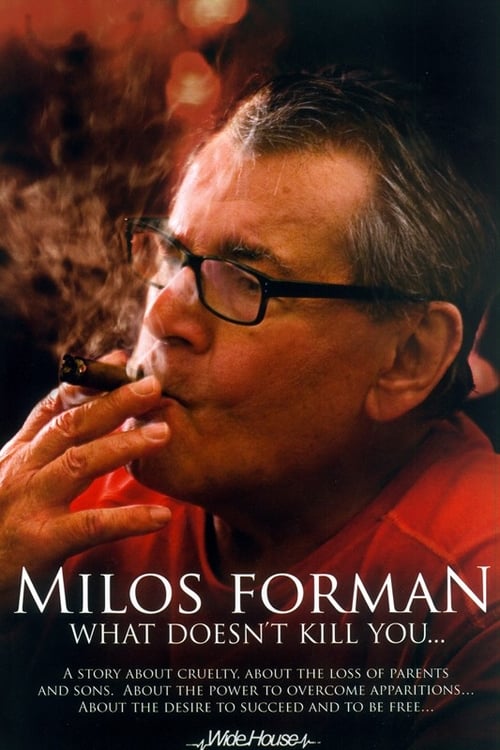
This documentary serves as a historical retrospective of Miloš Forman's life and career. It focuses on his intellectual subversion of authority and his struggle against systemic constraints rather than demographic variety. The film's strength lies in its thematic exploration of individual control against institutional rigidity. It captures the essence of a filmmaker who challenged established social and political orders. However, the work lacks explicit multi-layered casting. The narrative remains centered on a single male subject within a specific Czech-American cultural context, limiting its broader demographic reach.
Category Breakdown
The film explores themes of personal freedom and the rejection of social norms. However, it lacks explicit depictions of LGBTQ+ intimacy or non-cisgender identities.
The narrative centers on a singular male figure, focusing on his professional and personal history. It examines how his life navigates traditional gender roles and power dynamics.
The biographical study is rooted in the specific cultural history of Central Europe and America. It lacks a diverse, multi-ethnic cast or multi-layered racial narratives.
The film highlights the tension between individuals and oppressive state institutions. It prioritizes personal truth over state-mandated morality and centralized authority.
There is no information available to evaluate the representation of visible or invisible disabilities.
Present on Screen
Limited or Absent
Official Synopsis
Why did Milos Forman have to make certain films the way he did? Where does his inner strength come from? What is the story of his life?
2019
1978
2004

2011
1956
2003
2003
2004
No reviews yet. Be the first to share your thoughts on this movie!
Use the rating form above to leave a star rating and optional review.