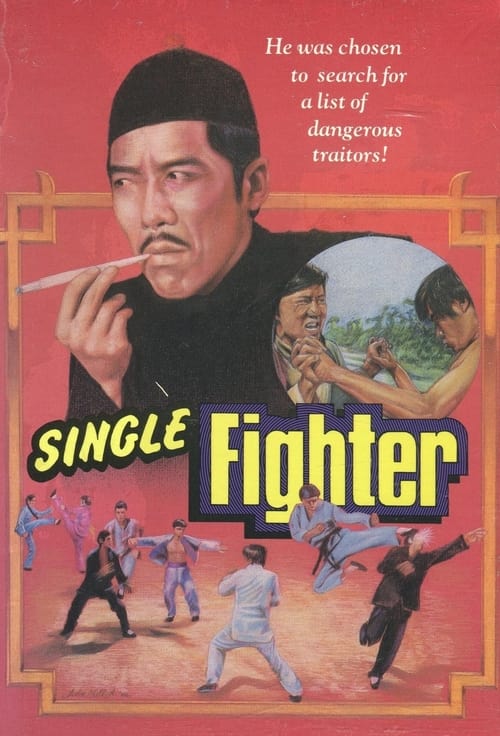
Single Fighter
1974
No user ratings available yet
Representation score: 2.2 out of 10
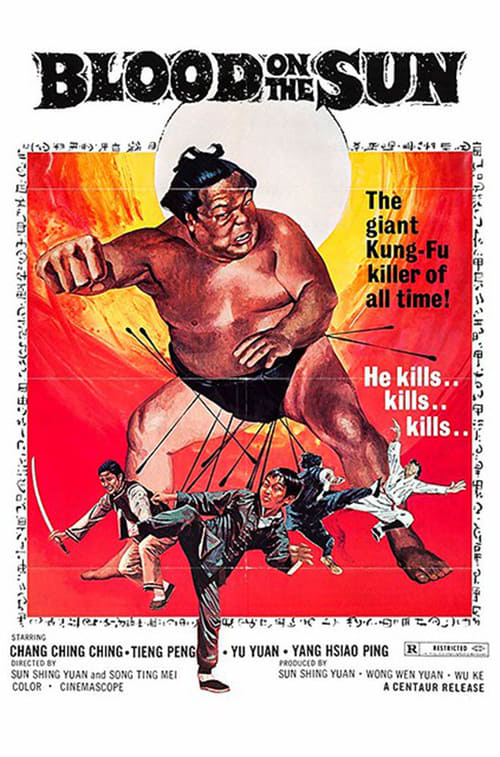
Representation Score
Fair
1972
RDirector
Sung Ting-Mei, Sun Sheng-Yuan
Runtime
94 minutes
Average Rating
No ratings yetNew Showbiz Analysis
The Big Fight is a powerful example of regional resistance cinema that challenges conventional Western historical narratives. By focusing on the struggles of the colonized, it offers a fresh perspective on the conflict. However, the film heavily relies on clichéd portrayals of women as victims of violence, which can overshadow the development of their roles. Additionally, it lacks diverse representation, such as LGBTQ+ characters and individuals with disabilities.
Category Breakdown
The film does not include any explicit LGBTQ+ characters or explore non-straight relationships. The story revolves around the conflict between occupiers and resistance fighters.
Women are shown as victims of severe violence, including rape and killing, by the occupying forces. This portrayal may reinforce stereotypes of women as passive and vulnerable in wartime scenarios.
The movie highlights the resistance of Chinese fighters against Japanese occupiers, shifting away from Western-centric views of World War II. It emphasizes the role and ability to act of the colonized population.
The film strongly opposes imperialism, presenting the occupying forces as corrupt and oppressive. It portrays the resistance movement as a just fight against colonial rule.
There is no indication of characters with physical or neurodivergent disabilities in the film.
Present on Screen
Limited or Absent
Official Synopsis
This film is set during the Japanese occupation of China circa WWII. In it, the Japanese occupiers (and the Chinese Quislings who work for them) are portrayed as total monsters who kill children and rape all women. The heroes are resistance fighters who oppose the occupation.
1974
1994
1983

2020
1973
1974
1975

2011
No reviews yet. Be the first to share your thoughts on this movie!
Use the rating form above to leave a star rating and optional review.