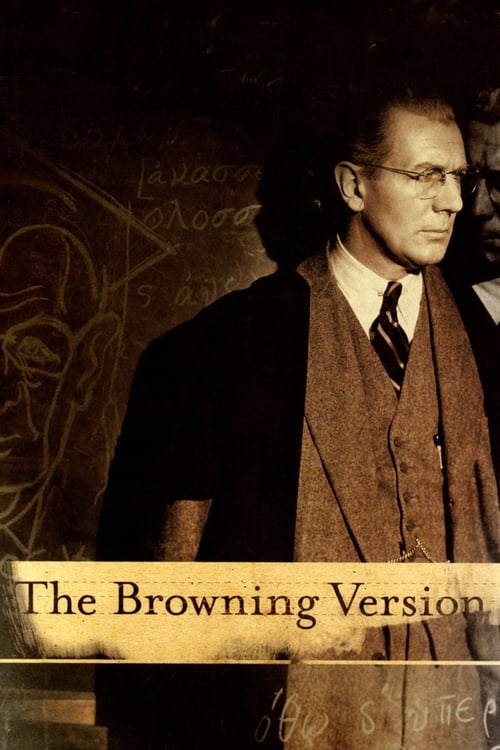
The Browning Version
1951
No user ratings available yet
Representation score: 1.7 out of 10
Representation Score
Fair
1962
ApprovedDirector
Peter Glenville
Runtime
130 minutes
Average Rating
No ratings yetNew Showbiz Analysis
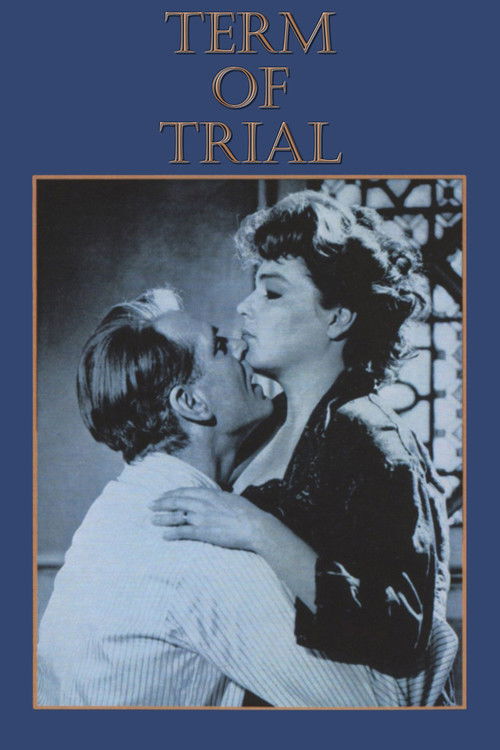
Term of Trial is a psychological drama that uses a central Black protagonist to challenge mid-century institutional prejudices. By focusing on a man facing systemic injustice, the film goes beyond a simple historical portrayal to examine racial tension. However, the film's diversity is unevenly represented. While it provides a sophisticated critique of racial and cultural issues, it remains heavily male-dominated and lacks representation for LGBTQ+ and disabled communities. Ultimately, the film's strength lies in its deconstruction of social facades and its exploration of how biased hierarchies affect individual morality.
Category Breakdown
The film does not include any LGBTQ+ characters or explore non-traditional gender identities. It presents a conventional social setting focused on the main characters.
The story emphasizes male power dynamics within legal and prison systems. Female characters are present but play minor roles in the central conflict.
The film centers around a Black protagonist navigating a predominantly white institutional environment. This setup allows for a nuanced look at racial hierarchies and systemic injustices.
The narrative offers a critical view of Western legal institutions, portraying them as flawed and susceptible to corruption and systemic biases.
The film does not feature any meaningful representation of physical or neurodivergent disabilities. The narrative focuses solely on racial and legal issues.
Present on Screen
Limited or Absent
Official Synopsis
A schoolteacher plagued by alcoholism and his refusal to serve in World War II, Graham Weir inspires contempt in almost everyone around him, including his bitter wife, Anna. When the lovely young Shirley Taylor, one of Weir's students, falls for her unfortunate instructor, he is tempted and flattered but turns down her advances. Taylor's subsequent actions make Weir's life even more complicated.
1951
1969

1952

1930

1961
1961

1976

1984
No reviews yet. Be the first to share your thoughts on this movie!
Use the rating form above to leave a star rating and optional review.