Das Ferienkind
1943
No user ratings available yet
Representation score: 1.2 out of 10
Representation Score
Minimal
1943
Director
Volker von Collande
Runtime
88 minutes
Average Rating
No ratings yetNew Showbiz Analysis
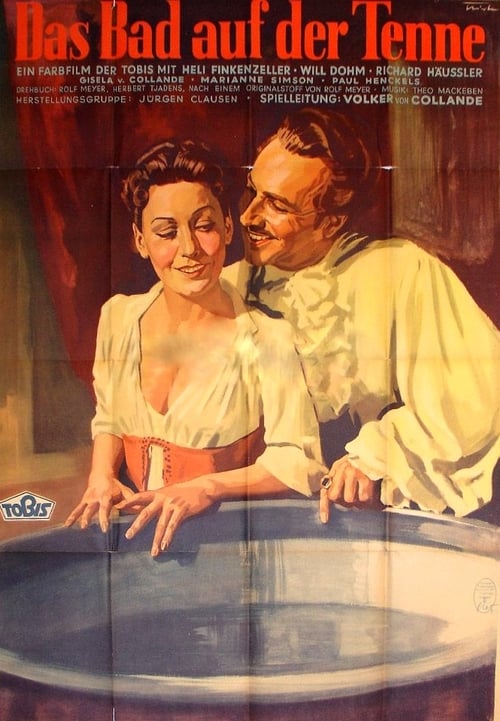
Produced in 1943, *Das Bad auf der Tenne* is a product of a highly controlled and ideologically aligned film industry. The creative environment prioritized maintaining established social hierarchies and national unity over any form of challenge. The film's structure is designed to reinforce traditional norms rather than question them. This leads to a narrative that lacks ethnic, sexual, or cultural diversity, focusing instead on a homogeneous Eurocentric identity. Ultimately, the work reflects the rigid social and political standards of its time, offering limited space for nuanced representation of underrepresented groups.
Category Breakdown
The film does not include any representation of non-straight gender identities. Given the historical context, it is unlikely that LGBTQ+ themes would have been included.
The story likely emphasizes traditional gender roles. Women are probably portrayed in domestic or supportive roles that align with the period's ideals of femininity.
The film depicts a homogeneous society typical of its time. It lacks diverse ethnic perspectives or casting that would challenge prevailing demographics.
The story likely upholds traditional cultural and religious norms. It supports state-approved cultural output without critiquing religious or economic systems.
There is no specific mention of neurodivergence or physical disabilities. If present, such characters likely serve as mere plot devices without much depth or complexity.
Present on Screen
Limited or Absent
Official Synopsis
During a stay in Terbrügg, a small village in Flanders, the wealthy merchant Fernando Sartorius gifts a bathtub to Antje, the mayor’s wife, with the intention of seducing her upon his return to the village. While Antje is delighted with the tub, her husband, Hendrik, banishes it from their home. When Antje decides to bathe outdoors instead, the lecherous men of the village spy on her. Through a clever ruse, Antje and her maids manage to expose the voyeurs, and the villagers ultimately conclude that the bathtub brings nothing but trouble; they cast it into a nearby quarry. Antje demands a replacement tub, but wheels are secretly attached to it. During her first bath, the tub begins to roll, coming to a stop in the middle of the village square. These events bring Hendrik and Antje back together, ensuring that when Sartorius returns, he fails in his attempt to seduce her.
1943

1991
1943

1947
1940
1943
1943
1938
No reviews yet. Be the first to share your thoughts on this movie!
Use the rating form above to leave a star rating and optional review.