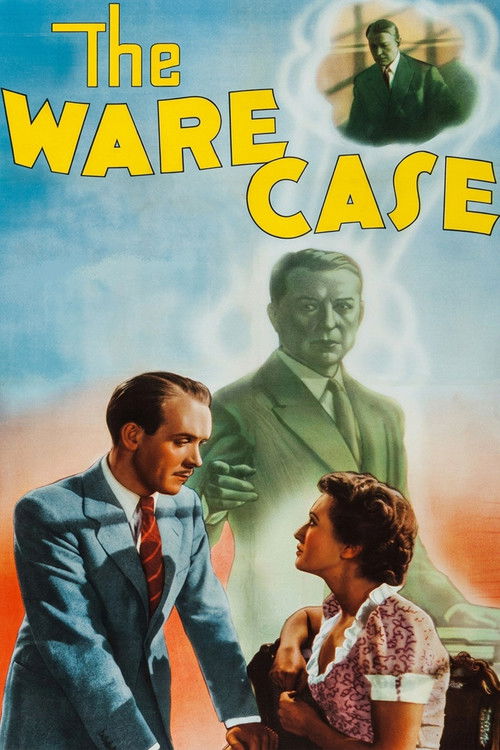
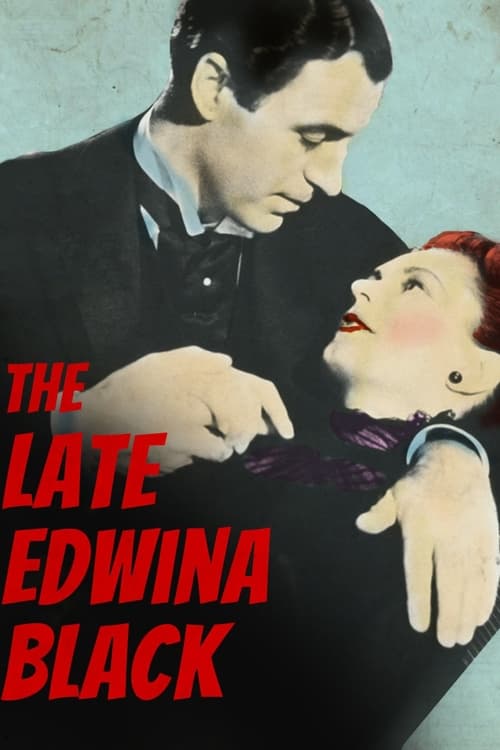
The Ware Case
1938
No user ratings available yet
Representation score: 1.6 out of 10
Representation Score
Minimal
1951
NRDirector
Maurice Elvey
Runtime
78 minutes
Average Rating
No ratings yetNew Showbiz Analysis
The film adheres to the social hierarchies typical of 1950s British cinema. It uses traditional mystery clichés that prioritize established social structures over diverse representation. Narrative ability to act is largely gendered, with male authority figures driving the resolution of the plot. The setting and production context suggest a lack of racial or cultural diversity, reflecting the homogeneous standards of the time.
Category Breakdown
The story revolves around a suspected heterosexual affair between a husband and a female companion. There is no indication of non-binary gender identities or critiques of the assumption that everyone is straight.
Women play central roles as victims or suspects, but the primary ability to act to solve the mystery lies with a male Inspector. This reinforces traditional gender roles from the mid-20th century.
Set in Victorian times and produced in 1951, the film depicts a predominantly white, Anglo-Saxon society without diverse casting.
The narrative emphasizes restoring social order through state institutions like Scotland Yard. It lacks themes challenging Western or established social stability.
A character is described as sickly, serving as a plot device for her death. This portrayal does not provide a nuanced exploration of disability.
Present on Screen
Limited or Absent
Official Synopsis
When a sickly Victorian woman dies suddenly, a postmortem reveals that her body contains a fatal dose of arsenic. Suspicion falls on her husband and her companion, who are lovers. Inspector Martin of Scotland Yard solves the mystery of her death... over a cup of tea.
1938
1954
1934
1964
1934
1945
1954

1944
No reviews yet. Be the first to share your thoughts on this movie!
Use the rating form above to leave a star rating and optional review.