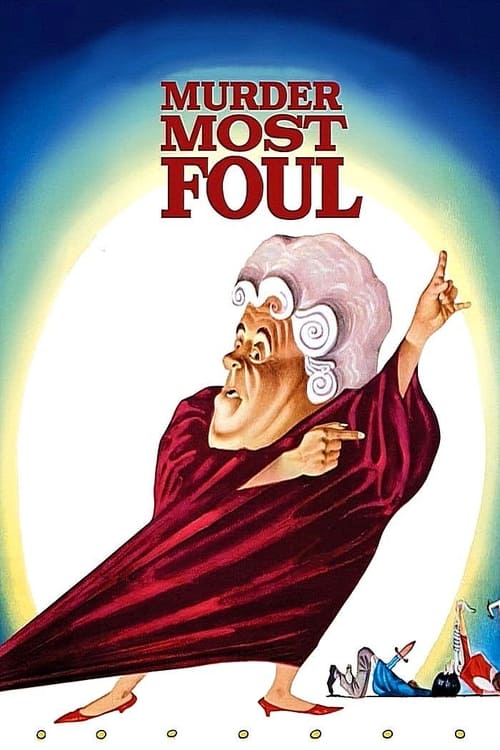
Murder Most Foul
1964
No user ratings available yet
Representation score: 2.1 out of 10
Representation Score
Limited
1964
NRDirector
George Pollock
Runtime
93 minutes
Average Rating
No ratings yetNew Showbiz Analysis
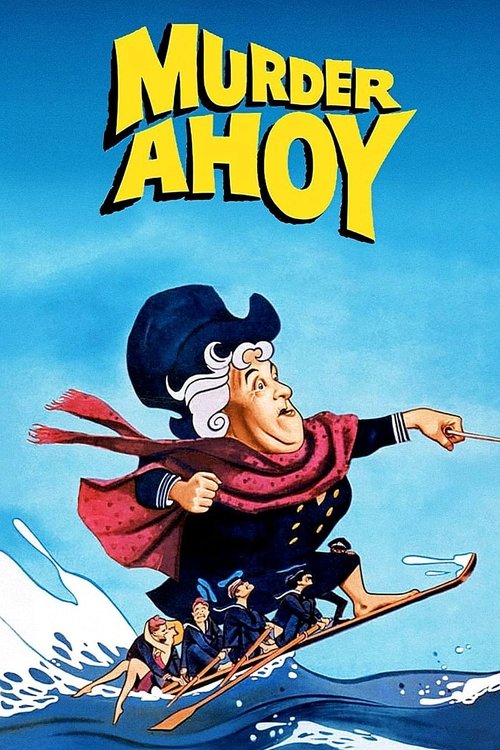
Murder Ahoy is a classic mid-century British mystery that prioritizes genre conventions over social representation. While Miss Marple offers a rare instance of female intellectual ability to act, the film remains deeply rooted in the social norms of its time. The production reinforces traditional social, racial, and gender hierarchies. It functions as a conventional whodunit that aims to restore order within the British upper-middle class rather than challenging the institutions it portrays. Ultimately, the film lacks the narrative structure to incorporate diverse identities, presenting a uniform view of society that reflects the historical context of 1964.
Category Breakdown
The film does not feature any LGBTQ+ characters or explore non-straight identities. Social interactions revolve around traditional heterosexual relationships typical of 1960s cinema.
Margaret Rutherford’s Miss Marple plays a significant role as an amateur detective. However, the supporting cast upholds traditional gender roles, with characters like the sophisticated lady and stern housekeeper.
The casting reflects the homogeneous social structures of 1960s Britain. There is no indication of racial diversity or inclusion of non-Anglo-Saxon characters.
The narrative emphasizes the stability of the British class system and social order. It reinforces these hierarchies without questioning them.
The film does not prominently depict physical or neurodivergent disabilities. Characters are portrayed using standard genre archetypes without highlighting the lived experience of disability.
Present on Screen
Limited or Absent
Official Synopsis
During an annual board of trustees meeting, one of the trustees dies. Miss Marple thinks he’s been poisoned after finding a chemical on him. She sets off to investigate at the ship where he had just come from. The fourth and final film from the Miss Marple series starring Margaret Rutherford as the quirky amateur detective.
1964
1963
1961
1982
1980
1945
1974
1973
No reviews yet. Be the first to share your thoughts on this movie!
Use the rating form above to leave a star rating and optional review.