Reasonable Force
1988
No user ratings available yet
Diversity score: 5.4 out of 10
1981
Director
Sam Wanamaker
Runtime
100 minutes
Average Rating
No ratings yetSynopsis
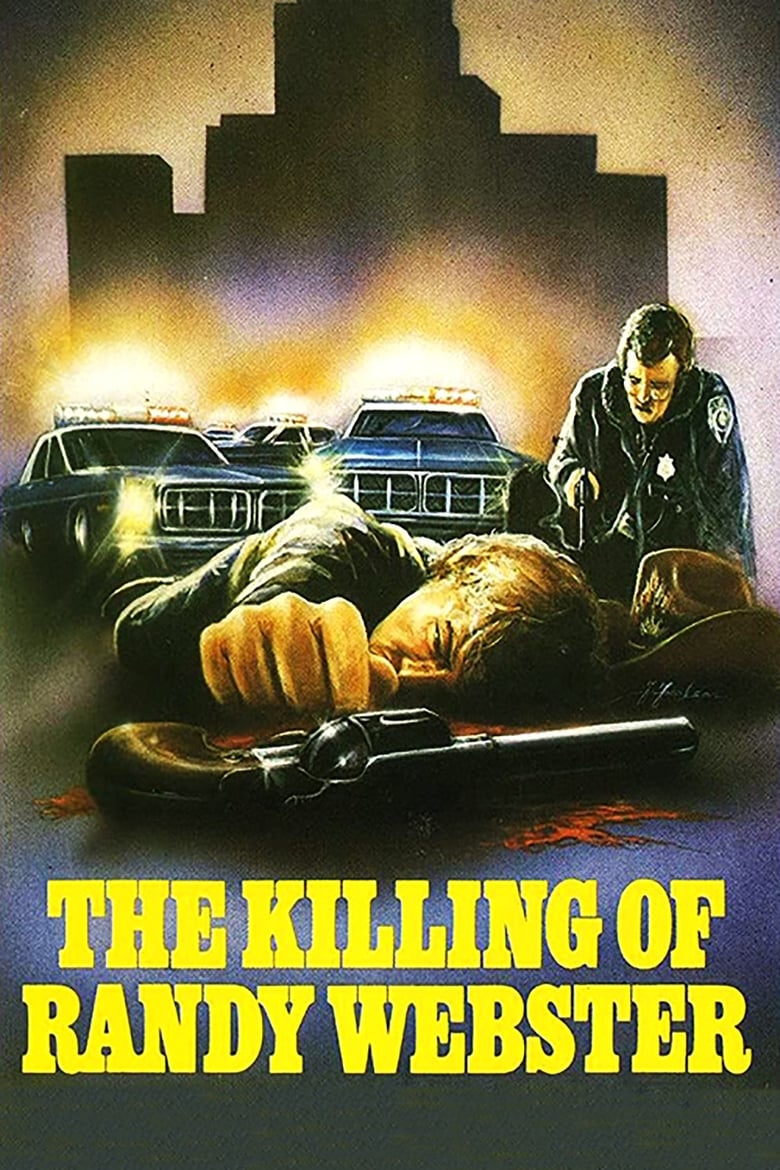
When his teenage son is shot by the Houston police following a stolen van chase, his father undertakes a tireless investigation into the truth and uncovers the fact that the gun found with the boy's body was a "throwdown," a weapon planted by the cops.
Overall Score
Good
Category Breakdown
LGBTQ+ Representation
The film lacks explicit mention of LGBTQ+ characters or narratives. The story focuses primarily on a familial struggle against state institutions rather than non-heteronormative identities.
Gender Representation
The narrative centers on a father's agency and his pursuit of justice. While male-driven, it subverts traditional patriarchal authority by depicting law enforcement as corrupt rather than protective.
Racial & Ethnic Diversity
The plot addresses systemic inequality through a police shooting and the discovery of a planted weapon. This suggests a strong critique of how institutions target specific demographics.
Religious & Cultural Diversity
The film engages deeply with themes of systemic critique. It disrupts conventional portrayals of legal institutions by framing state authority as a source of corruption and injustice.
Disability Representation
There is no evidence of characters with visible or invisible disabilities within the narrative. The focus remains on the investigation into police misconduct.
Strengths
Areas for Improvement
AI Analysis
The film serves as a pointed critique of institutional integrity, focusing on the individual's struggle against a corrupt hierarchy. Its strength lies in its thematic engagement with systemic injustice and the deconstruction of state authority. While the narrative provides a sophisticated look at power dynamics and institutional corruption, it lacks specific visibility regarding LGBTQ+ and disability representation. The focus is heavily weighted toward racial and cultural critiques of the legal system. Ultimately, the film uses a framework of systemic victimhood to drive its protagonist, offering a nuanced view of how marginalized families must challenge dominant state power.
1988
2001

1986
2002
1992
1986
1989

2019

2008
1988
2000
1977
No reviews yet. Be the first to share your thoughts on this movie!
Use the rating form above to leave a star rating and optional review.