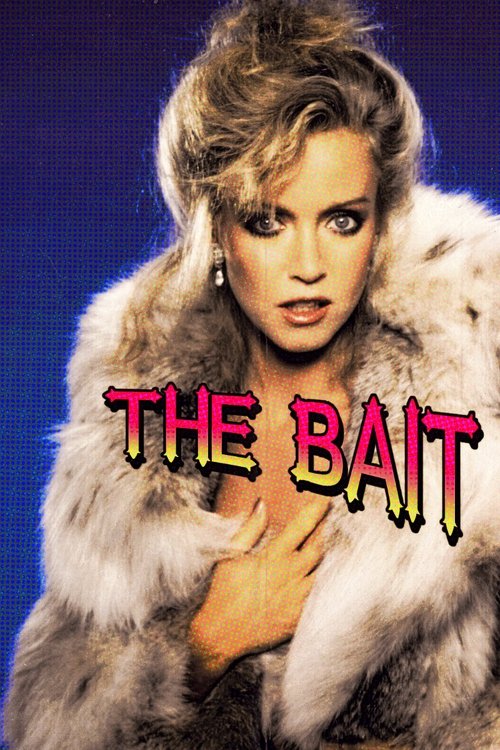
The Bait
1973
No user ratings available yet
Representation score: 5.0 out of 10

Representation Score
Limited
1987
Director
Alan Metzger
Runtime
95 minutes
Average Rating
No ratings yetNew Showbiz Analysis
Kojak: The Price of Justice operates as a typical 1980s crime procedural. It relies heavily on established genre clichés and traditional detective narratives, avoiding any attempt to deconstruct social hierarchies. The film’s diversity stems from its urban setting. While the Harlem River backdrop suggests racial and socioeconomic complexity, the characterizations adhere to conventional archetypes of the era. Overall, the film does not intentionally address multiple aspects of identity. It prioritizes a straightforward investigation into a sinister truth over complex character studies or critiques of social structures.
Category Breakdown
The film does not include any characters with non-binary gender identities. It follows the traditional social norms and expectations typical of 1980s television.
A female character is the main suspect, framed by her past. This portrayal suggests a lack of strong female roles that drive the story.
The Harlem River setting introduces urban diversity and socioeconomic complexity. While the cast composition is not detailed, the location implies a focus on non-Anglo-Saxon environments.
The story centers on traditional justice and legal institutions. It reinforces conventional morality without critiquing societal structures.
There are no characters with visible or invisible disabilities that play a central role in the plot. The narrative focuses solely on the crime and investigation.
Present on Screen
Limited or Absent
Official Synopsis
When the bodies of two young boys are discovered in the Harlem River, their mother is the obvious suspect, particularly with her scandalous past. But what appears to be an open-and-shut case soon becomes something much more sinister.
1973

2006

1995

1993

1990

1985

1973
1978
No reviews yet. Be the first to share your thoughts on this movie!
Use the rating form above to leave a star rating and optional review.