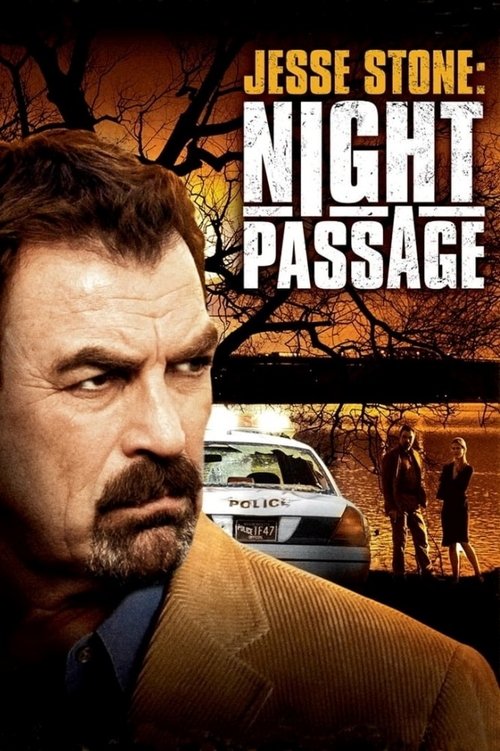
Jesse Stone: Night Passage
2006
No user ratings available yet
Representation score: 2.4 out of 10

Representation Score
Limited
2015
TV-14Director
Robert Harmon
Runtime
87 minutes
Average Rating
No ratings yetNew Showbiz Analysis
Jesse Stone: Lost in Paradise is a traditional neo-noir procedural that prioritizes established social hierarchies and genre conventions over diverse representation. The narrative is centered around a white, male-dominated world that offers limited space for perspectives that reflect multiple aspects of identity. The film functions as a character study focused on a specific, homogeneous demographic. By centering the story on a singular protagonist's struggle with alcoholism and professional duty, it reinforces standard Western social norms and traditional gender dynamics. Ultimately, the work lacks engagement with progressive representation, opting instead for a localized, conventional framework that avoids systemic critique or diverse casting.
Category Breakdown
The film does not include any visible LGBTQ+ characters or explore non-straight identities. It adheres to a conventional social framework without addressing or challenging the assumption that everyone is straight or cisgender.
The story centers on a male protagonist within a male-dominated structure. While delving into the emotional complexities of women's relationships, the film reinforces traditional gender roles and likely fails the Bechdel test.
The setting is depicted through a predominantly white, homogeneous lens. There is a notable absence of diverse racial identities in central, actively leading roles, reinforcing an Anglo-centric social norm.
The film operates within a framework of Western institutionalism and law enforcement hierarchy. It focuses on procedural morality rather than engaging in systemic critiques or anti-Western perspectives.
Addiction is framed as a personal character flaw or psychological burden rather than an exploration of disability. There is no significant representation of neurodivergence or other visible disabilities.
Present on Screen
Limited or Absent
Official Synopsis
Police Chief Jesse Stone now presides over the quiet, seaside village of Paradise, Massachusetts. When the facts don't add up in a brutal Boston-area murder case, Jesse opens an investigation filled with surprises, unlikely suspects and grave danger. Though it's widely believed the murder was committed by an incarcerated serial killer, Jesse suspects another killer is at large and is hell-bent on bringing him to justice.
2006
2010

2009

2007
2012

2005

2011

2006
No reviews yet. Be the first to share your thoughts on this movie!
Use the rating form above to leave a star rating and optional review.