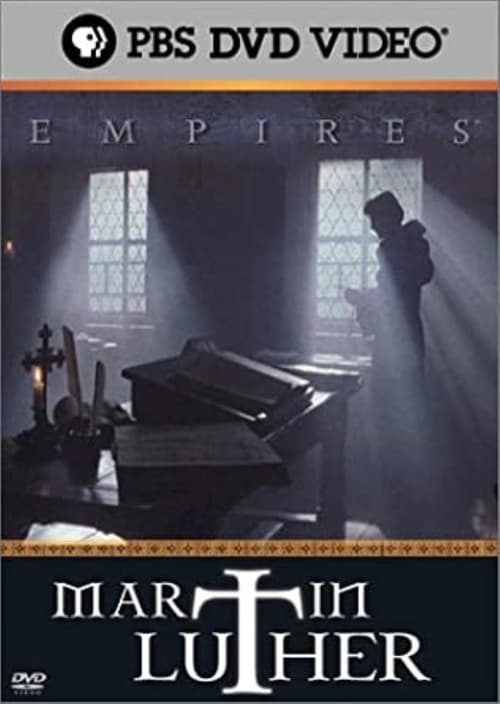
Martin Luther
2003
No user ratings available yet
Representation score: 2.6 out of 10

Representation Score
Limited
2017
TV-PGDirector
David Batty
Runtime
114 minutes
Average Rating
No ratings yetNew Showbiz Analysis
The documentary examines the historical impact of the Protestant Reformation, focusing on the transition from centralized religious power to individual autonomy. It portrays Martin Luther's actions as foundational to modern concepts like religious freedom and individualism. While the film is grounded in Western history, it attempts to link these historical shifts to later social movements, such as the Civil Rights movement. However, the film's diversity is limited by its focus on a singular male figure and a European context.
Category Breakdown
The film focuses on 16th-century religious reform and does not include any LGBTQ+ characters or stories about non-straight identities.
The documentary highlights the Reformation as a catalyst for women's rights but centers the story around the male protagonist, Martin Luther.
The film links European theology to American civil rights movements by referencing Martin Luther King Jr. It connects 16th-century history with 20th-century civil rights struggles.
The film depicts a revolution against centralized authority and oppressive systems, emphasizing individualism and the separation of church and state.
There is no evidence of characters or subjects representing physical or neurodivergent disabilities within the film.
Present on Screen
Limited or Absent
Official Synopsis
The year 2017 marks the 500th anniversary of one on the most important events in Western civilization: the birth of an idea that continues to shape the life of every American today. In 1517, power was in the hands of the few, thought was controlled by the chosen, and common people lived lives without hope. On October 31 of that year, a penniless monk named Martin Luther sparked the revolution that would change everything. He had no army. In fact, he preached nonviolence so powerfully that — 400 years later — Michael King would change his name to Martin Luther King to show solidarity with the original movement. This movement, the Protestant Reformation, changed Western culture at its core, sparking the drive toward individualism, freedom of religion, women's rights, separation of church and state, and even free public education. Without the Reformation, there would have been no pilgrims, no Puritans, and no America in the way we know it.
2003
2012

2004
2003
2008
1985
2010
2017
No reviews yet. Be the first to share your thoughts on this movie!
Use the rating form above to leave a star rating and optional review.