
Caesar's Messiah: The Roman Conspiracy to Invent Jesus
2012
No user ratings available yet
Representation score: 2.6 out of 10
Representation Score
Limited
2006
PGDirector
James Barrat
Runtime
90 minutes
Average Rating
No ratings yetNew Showbiz Analysis
The documentary excels by emphasizing historical accuracy and ethnic authenticity. By casting Middle Eastern actors, it avoids the whitewashing often seen in biblical epics, offering a grounded sense of place. However, the film is limited by its historical setting, which emphasizes patriarchal structures and lacks representation of LGBTQ+ identities. Ultimately, the film's strength lies in its intellectual subversion, challenging established religious norms with a nuanced, non-canonical perspective on historical figures.
Category Breakdown
The film focuses on the interactions between male figures in a first-century Judean context. It does not include any representation of LGBTQ+ identities or same-sex relationships.
The story centers around a male-dominated hierarchy of apostles and religious leaders. It lacks significant roles for women or challenges to traditional patriarchal structures.
The production uses a cast of Middle Eastern and Semitic actors to portray the disciples, avoiding common whitewashing and providing a historically accurate representation of the region.
The film challenges Western religious traditions by portraying Judas as a misunderstood figure. It critiques institutional power and religious orthodoxy using a Gnostic framework.
The film does not prominently depict any visible or invisible disabilities as central plot devices or character arcs.
Present on Screen
Limited or Absent
Official Synopsis
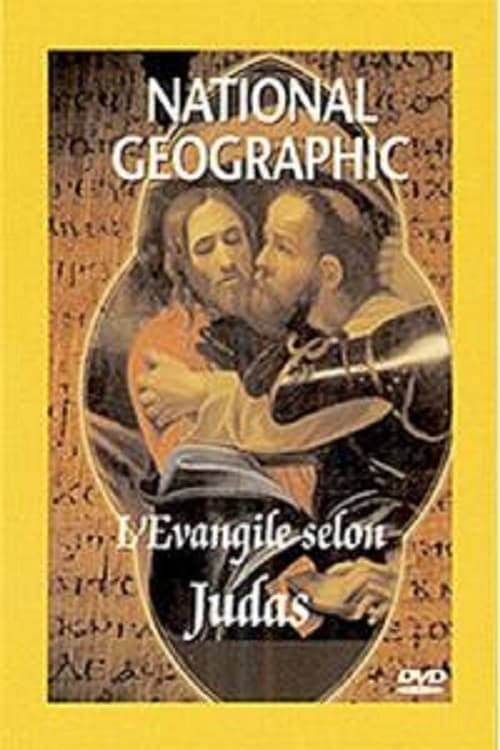
It’s a revelation conjuring heated debate: According to a recently translated ancient text called the Gospel of Judas, the disciple infamous for betraying Jesus may well have been Christ’s most faithful servant and—because the Savior asked him to—accepted perpetual disgrace to bring about Jesus' death. Explore the mysticism of early Gnostic thought expressed in words written on a 1,700-year-old leather-bound papyrus. Hear the interpretations of four biblical scholars. Follow this fragile document from its discovery in Egypt to its translation and ultimate presentation to the world. And share your thoughts on the Gospel of Judas.
2012

2003

2019

2012

2020

2019
2010
2015
No reviews yet. Be the first to share your thoughts on this movie!
Use the rating form above to leave a star rating and optional review.