Mechanical Monsters
2018
No user ratings available yet
Representation score: 1.3 out of 10
Representation Score
Minimal
2008
TV-GDirector
Patrick McGrady
Runtime
59 minutes
Average Rating
No ratings yetNew Showbiz Analysis
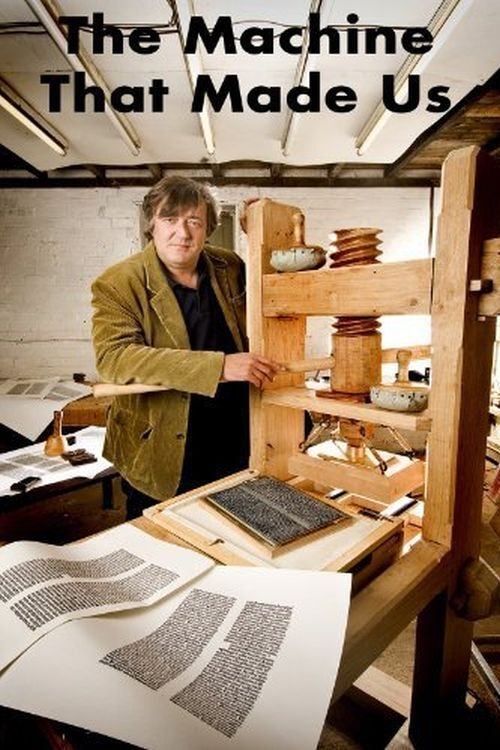
The documentary serves as a historical survey of technological advancement, tracing how the printing press catalyzed a global cultural revolution. Its main goal is to examine systemic shifts in information dissemination rather than providing character-driven social commentary. The narrative structure focuses on the transition from the medieval to the modern era, emphasizing technological determinism. Given its focus on the 15th century, the film adheres to the socio-political realities of that time. As a result, the film does not engage with contemporary multi-layered identities. It prioritizes the mechanical history of mass production over a diverse exploration of the human experience during this era.
Category Breakdown
The documentary focuses on the mechanical and historical impact of the printing press. There is no mention of LGBTQ+ characters or stories involving non-straight identities.
The film examines a period marked by strict patriarchal structures. It does not provide specific insights into women's roles in literacy, focusing instead on male-dominated spheres of invention.
While the printing press had a global impact, the narrative lacks explicit focus on non-Western intellectual histories. It centers on the European epicenter of the technology.
The film explores the dismantling of information monopolies and institutional control. However, the narrative follows a Western developmental trajectory toward the modern age.
There is no indication that the documentary addresses neurodivergence or physical disabilities. It does not explore sensory impairments in the context of historical technological access.
Present on Screen
Limited or Absent
Official Synopsis
The printing press was the world's first mass-production machine. Its invention in the 1450s changed the world as dramatically as splitting the atom or sending men into space, sparking a cultural revolution which shaped the modern age.
2018

2012
1991

2017
2019
2007
2003

2004
No reviews yet. Be the first to share your thoughts on this movie!
Use the rating form above to leave a star rating and optional review.