
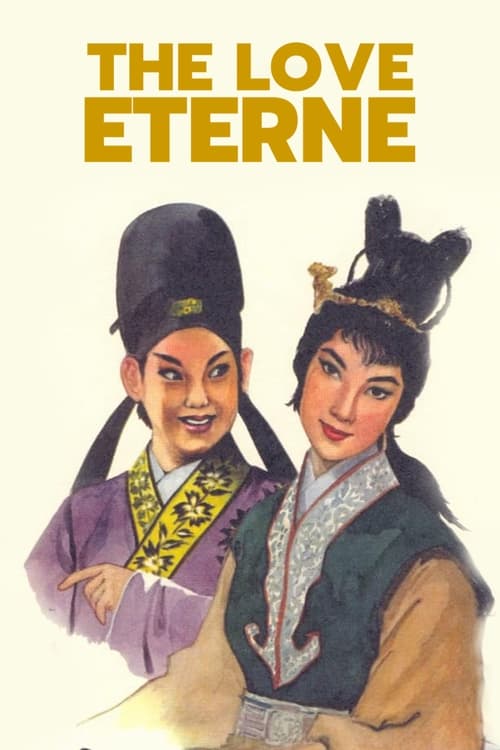
The Lovers
1994
No user ratings available yet
Representation score: 6.3 out of 10
Representation Score
Fair
1963
Director
Li Han-Hsiang
Runtime
122 minutes
Average Rating
No ratings yetNew Showbiz Analysis
The film is a sophisticated melodrama that challenges traditional gender roles. By focusing on a woman who achieves intellectual parity through disguise, it questions the passive portrayal of women in period dramas. However, the work remains rooted in its historical context. The ethnic homogeneity and the straight-centered resolution of the central romance limit its scope regarding broader racial and LGBTQ+ representation. Ultimately, the film's strength lies in its depiction of the individual's struggle against systemic social structures and patriarchal authority.
Category Breakdown
The film centers on a protagonist who disguises herself as a man, challenging traditional gender roles. Although there is no explicit same-sex romance, her cross-dressing disrupts the gender binary within male-dominated spaces.
Zhu Yingtai upends traditional hierarchies by achieving intellectual parity with men. Her quest for autonomy through disguise dismantles notions of female passivity, emphasizing her active role in the story.
The cast is ethnically homogeneous, reflecting the Han Chinese scholar-official class of the fourth century. The focus is on preserving specific cultural heritage rather than showcasing multi-ethnic representation.
The narrative critiques rigid Confucian hierarchies and oppressive arranged marriages. It highlights the struggle for personal romantic autonomy against systemic societal expectations.
There is no significant evidence regarding the depiction of physical or neurodivergent disabilities in this work.
Present on Screen
Limited or Absent
Official Synopsis
In this dreamy romance set in China during the fourth-century, a young woman convinces her parents to allow her to dress as a boy and attend university.
1994

1993
1972
1983

1955
1959

1951
1967
No reviews yet. Be the first to share your thoughts on this movie!
Use the rating form above to leave a star rating and optional review.