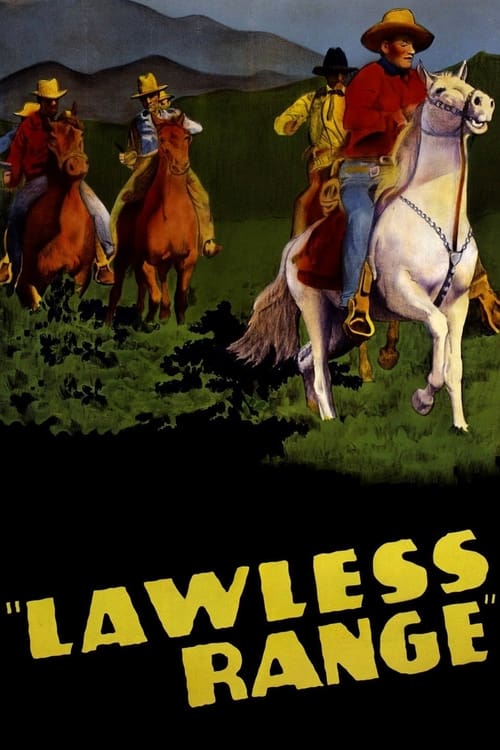
Lawless Range
1935
No user ratings available yet
Representation score: 0.3 out of 10
Representation Score
Minimal
1934
NRDirector
Robert N. Bradbury
Runtime
54 minutes
Average Rating
No ratings yetNew Showbiz Analysis
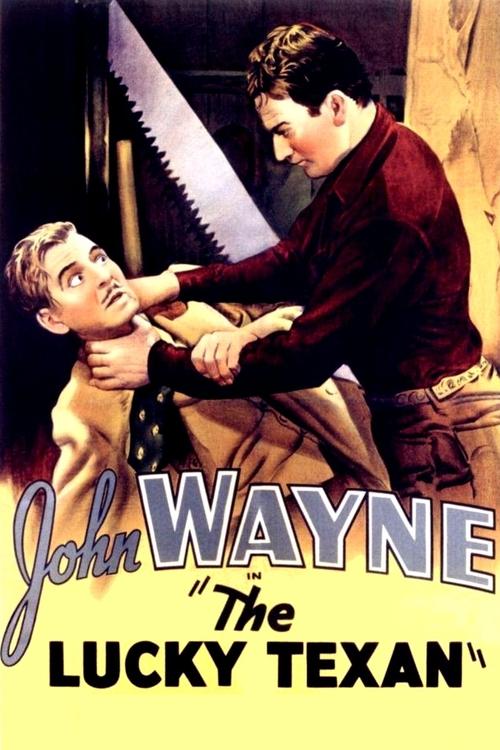
The Lucky Texan exemplifies early B-Western cinema that prioritizes genre conventions over narrative complexity. It upholds the social and cultural hierarchies of the 1930s without challenging them. The film relies on traditional archetypes, emphasizing masculine competence and property-based stability. This results in a narrow worldview lacking depth or critique of broader systems. Ultimately, the production reinforces established frontier mythologies through a homogeneous lens, offering little engagement with diverse identities or varied social perspectives.
Category Breakdown
The film does not include any LGBTQ+ characters or explore non-straight identities. It follows a strictly heterosexual framework typical of its time.
Female characters mainly serve as catalysts for the male protagonist or as figures needing protection. The story emphasizes patriarchal structures and masculine leadership.
The cast is predominantly white and Anglo-Saxon, focusing on a frontier perspective. There is no significant minority representation.
The story upholds traditional Western institutions such as land ownership and property rights. It promotes a clear distinction between good and evil.
No visible or invisible disabilities are shown in the narrative. Characters are portrayed as able-bodied archetypes common to the singing cowboy genre.
Present on Screen
Limited or Absent
Official Synopsis
Jerry Mason, a young Texan, and Jake Benson, an old rancher, become partners and strike it rich with a gold mine. They then find their lives complicated by bad guys and a woman.
1935
1937
1954
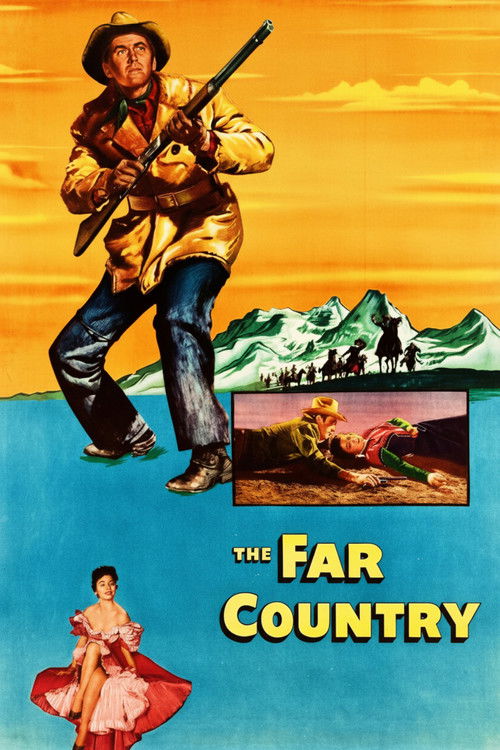
1954
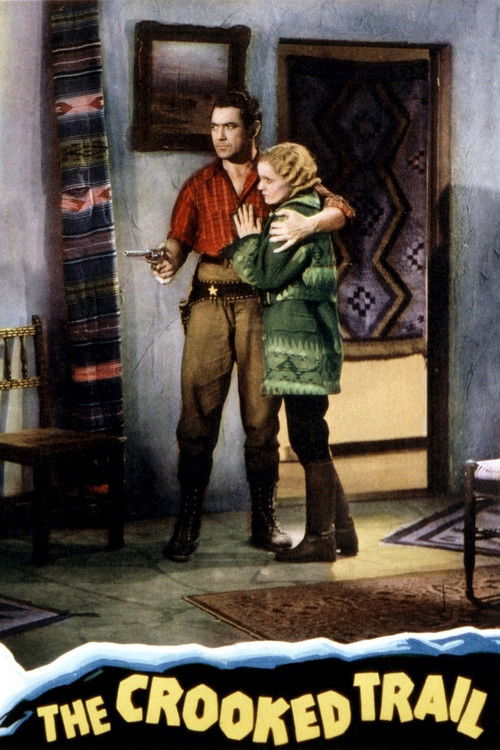
1936
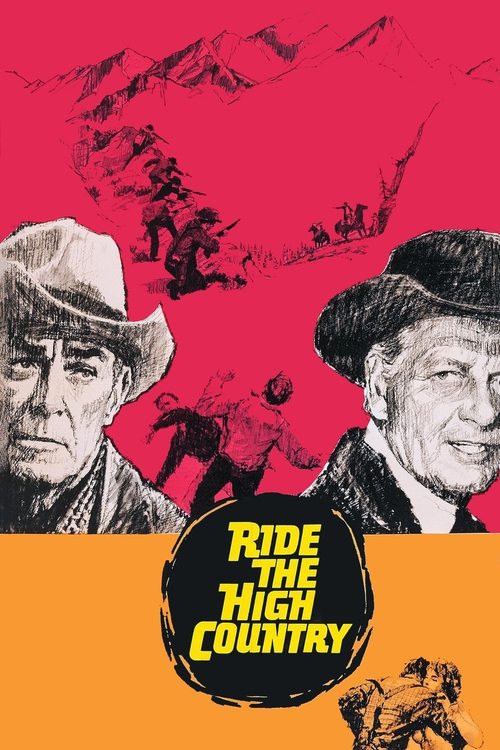
1962

1939
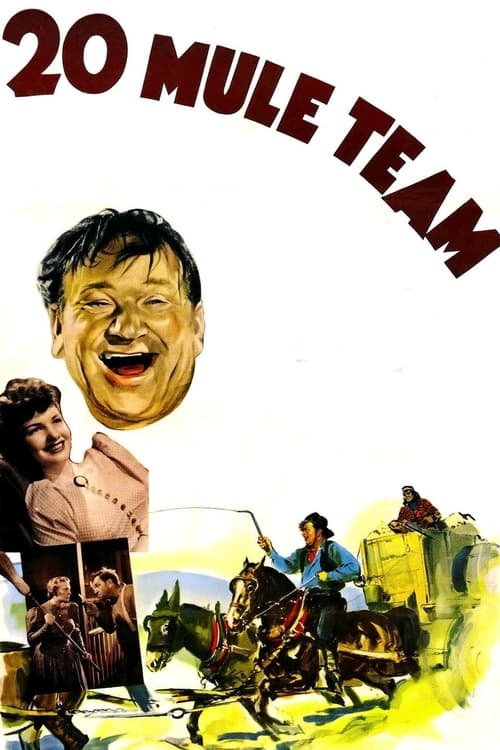
1940
No reviews yet. Be the first to share your thoughts on this movie!
Use the rating form above to leave a star rating and optional review.