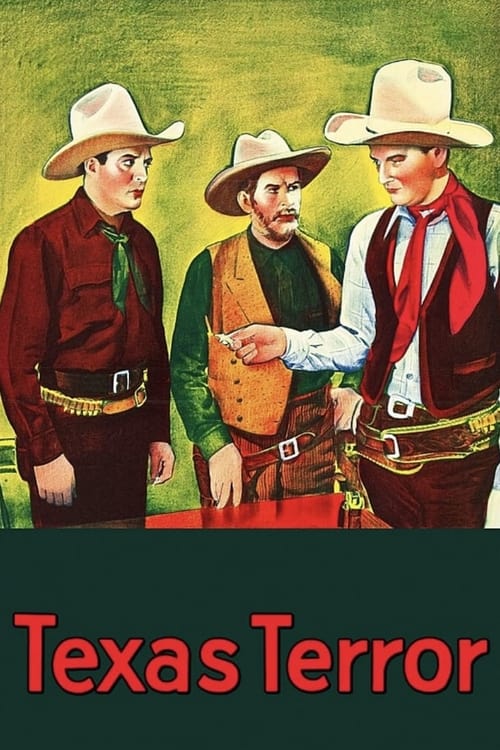
Texas Terror
1935
No user ratings available yet
Representation score: 0.3 out of 10
Representation Score
Minimal
1934
NRDirector
Robert N. Bradbury
Runtime
55 minutes
Average Rating
No ratings yetNew Showbiz Analysis
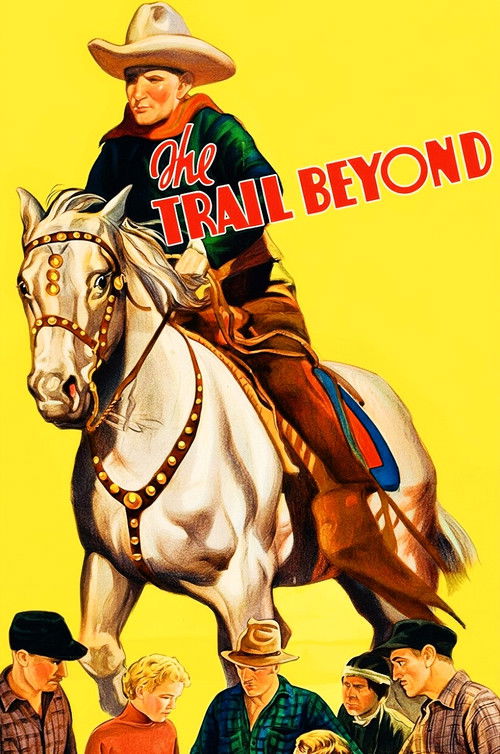
The Trail Beyond reinforces traditional mid-century Western film clichés. The narrative structure upholds established social orders and the enforcement of frontier justice. It centers on protecting property and maintaining law and order against external threats. Rather than challenging these structures, the film supports them through clear moral binaries and traditional character types typical of the era.
Category Breakdown
The film does not depict any non-straight or non-cisgender identities. It adheres to the assumption that everyone is straight and cisgender, following the standards of 1930s cinema.
Female characters play supporting roles, often serving as catalysts for the male protagonist’s journey. Masculinity is portrayed through physical strength and leadership, reinforcing traditional patriarchal structures.
The film features a predominantly white cast with little diversity. There is no inclusion of different ethnic backgrounds or perspectives within the narrative.
The storyline emphasizes the protection of property and the enforcement of law. It contrasts the heroic lawman with the criminal outlaw, presenting a clear moral divide.
There are no visible or invisible disabilities shown in the film. Characters are depicted based on their physical abilities needed for the action-adventure genre.
Present on Screen
Limited or Absent
Official Synopsis
Rod Drew hunts for a missing girl and finds himself in a fight over a goldmine as well.
1935
1930

1934
1937
1934
1931
1958
1927
No reviews yet. Be the first to share your thoughts on this movie!
Use the rating form above to leave a star rating and optional review.