Palace II
2000
No user ratings available yet
Representation score: 5.5 out of 10
Representation Score
Fair
2007
RDirector
Paulo Morelli
Runtime
106 minutes
Average Rating
No ratings yetNew Showbiz Analysis
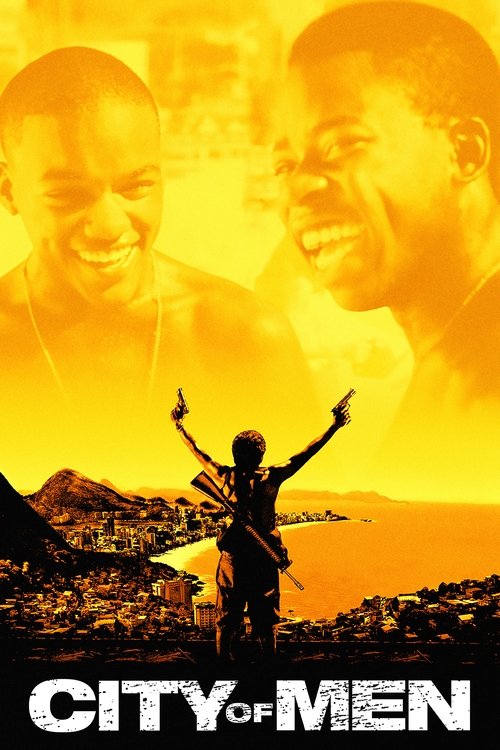
City of Men stands out by focusing on the lived experiences of favela residents, disrupting traditional power dynamics and offering a sophisticated critique of systemic inequality. However, the film's emphasis on territoriality and drug gang warfare limits the breadth of gender and LGBTQ+ representation. Ultimately, it serves as a sociological study, prioritizing the structural pressures of the favela ecosystem over idealized heroic narratives.
Category Breakdown
The film focuses on a hyper-masculine environment centered around drug conflicts. There is no visible evidence of LGBTQ+ identities or narratives within the story.
The story centers on male bonding and rites of passage for young men. Female characters may be relegated to secondary or domestic roles within this masculine-coded framework.
The film features a predominantly non-white cast, centering the lives of favela residents. Characters of color play a significant role in driving the story as they navigate their socio-economic and racial realities.
The film explores a state-absent environment where gang hierarchies replace traditional institutions. It critiques the breakdown of the nuclear family and the failure of social structures.
There is no specific evidence regarding the inclusion of characters with visible or invisible disabilities in the provided material.
Present on Screen
Limited or Absent
Official Synopsis
Best buddies Acerola and Laranjinha, about to turn 18, discover things about their missing fathers' pasts which will shatter their solid friendship, in the middle of a war between rival drug gangs from Rio's favelas.
2000

2000

2004

2017

2004

2019

2014

2008
No reviews yet. Be the first to share your thoughts on this movie!
Use the rating form above to leave a star rating and optional review.