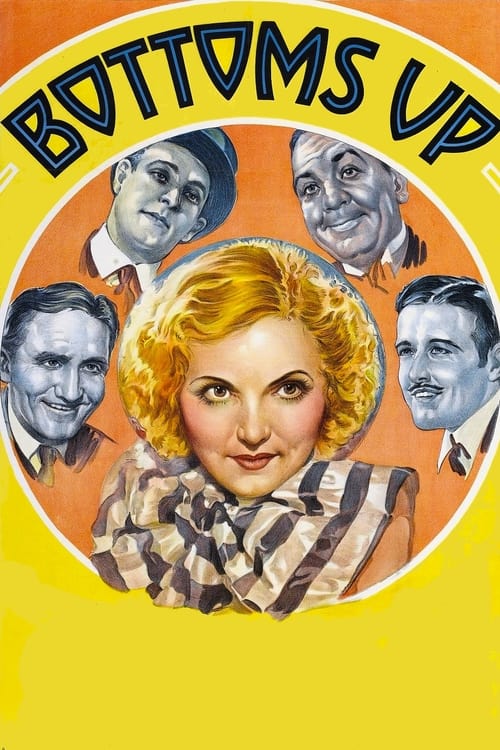
Bottoms Up
1934
No user ratings available yet
Diversity score: 1.7 out of 10

1938
ApprovedDirector
Tim Whelan
Runtime
85 minutes
Average Rating
No ratings yetSynopsis
On the sidewalks of the London theater district the buskers (street performers) earn enough coins for a cheap room. Charles, who recites dramatic monologues, sees that a young pickpocket, Libby, also has a talent for dancing and adds her to his act. Harley, the theater patron who never knew Libby took his gold cigarette case, is impressed by Libby's dancing and invites her to bring Charles and the other buskers in his group to an after-the-play party. Libby comes alone. A theatrical career is launched.
Overall Score
Minimal
Category Breakdown
LGBTQ+ Representation
The film lacks non-cisnormative gender identities or same-sex romantic dynamics. Relationships center entirely on traditional courtship patterns.
Gender Representation
Vivien Leigh provides significant screen presence, yet her agency is channeled through romantic and social advancement. The film adheres to period tropes of the ingenue.
Racial & Ethnic Diversity
The production reflects the era's demographic homogeneity with a largely white, European cast. It lacks racial blending or non-Anglo-Saxon characters.
Religious & Cultural Diversity
The story depicts a struggling class of artists through a lighthearted, non-subversive lens. It treats anti-social behavior as a comedic device rather than systemic critique.
Disability Representation
There are no visible or invisible disabilities portrayed. The narrative does not engage with neurodivergence or physical disability.
Strengths
Areas for Improvement
AI Analysis
St. Martin's Lane is a period-specific artifact that prioritizes conventional storytelling and social cohesion. It functions as a traditionalist work that reinforces the status quo of the late 1930s. The film focuses on the socioeconomic mobility of bohemian performers through artistic merit and romance. While it offers a glimpse into London's theater subculture, it remains rooted in established social hierarchies. Ultimately, the narrative does not attempt to disrupt traditional structures or introduce diverse identity-based perspectives, serving instead as escapist musical comedy.
1934
1919
1927
1923
1933
1936
1939
1940
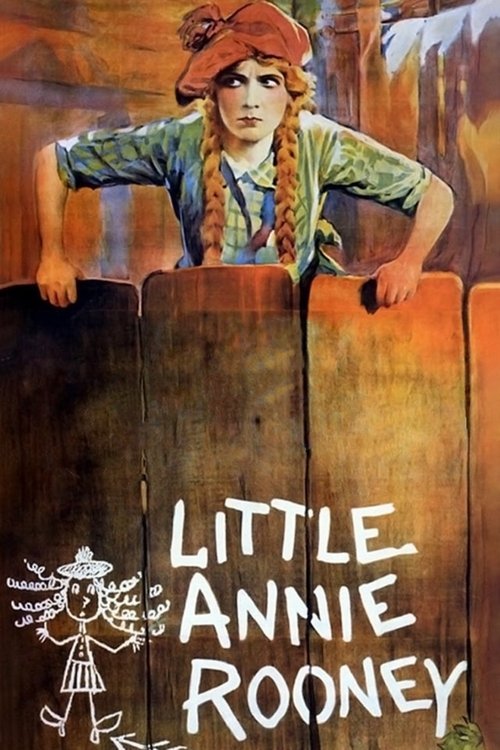
1925
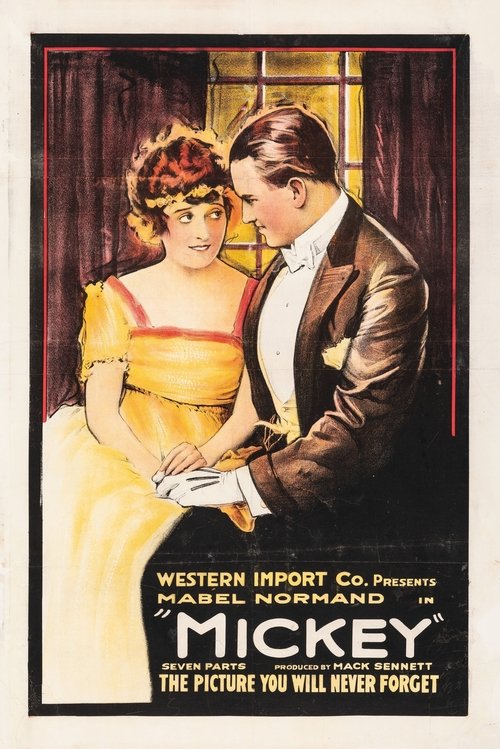
1918
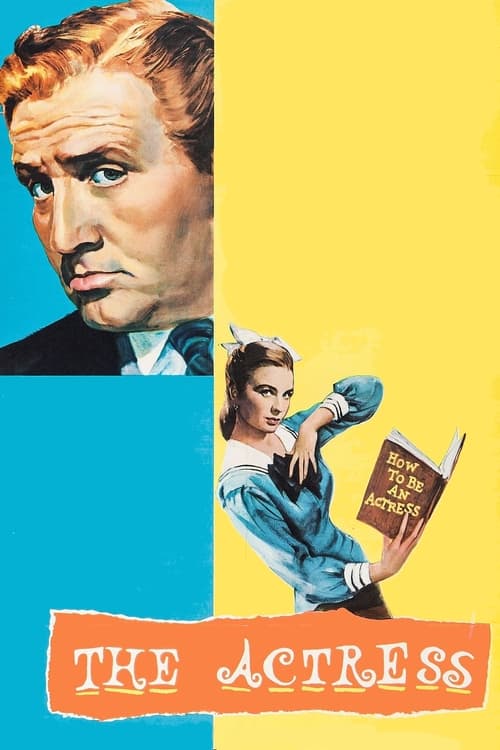
1953
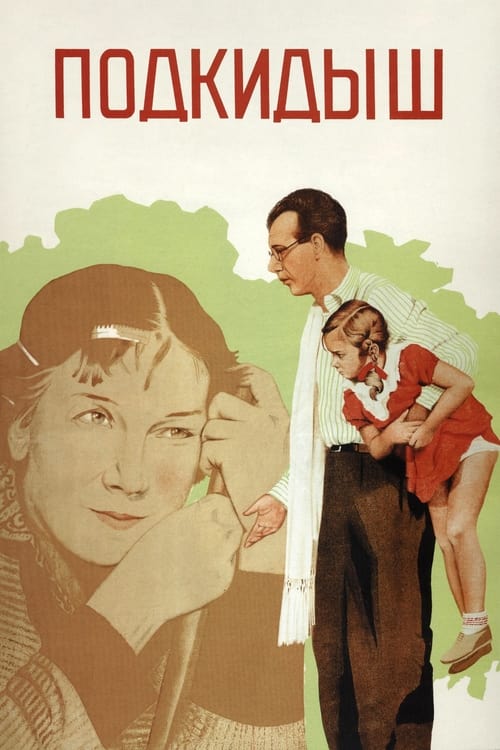
1939
No reviews yet. Be the first to share your thoughts on this movie!
Use the rating form above to leave a star rating and optional review.