
Bottoms Up
1934
No user ratings available yet
Representation score: 0.9 out of 10
Representation Score
Minimal
1936
ApprovedDirector
Ralph Staub
Runtime
66 minutes
Average Rating
No ratings yetNew Showbiz Analysis
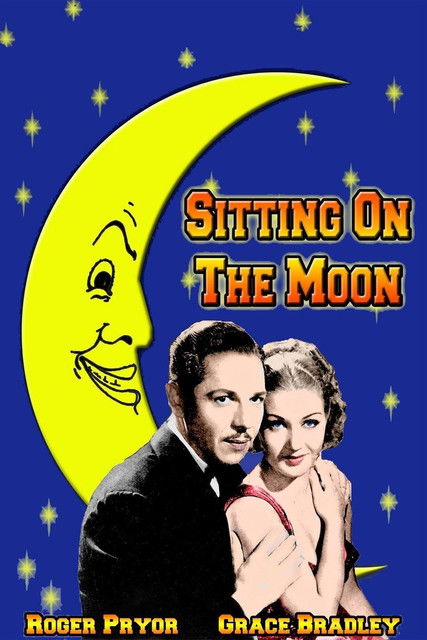
Sitting on the Moon is a product of its time, adhering to the conventional narrative structures and comedic clichés of 1936. The film follows a predictable 'rise to fame' trajectory centered on professional and romantic success. The lack of diversity reflects the era's social constraints. The narrative focuses on a narrow, traditional demographic, offering little in the way of multi-layered storytelling or systemic challenges. Ultimately, the film serves as a period piece that mirrors the homogeneous social hierarchies of the mid-1930s rather than challenging them.
Category Breakdown
The film likely reinforces the assumption that everyone is straight or cisgender through its central romantic plot. There is no evidence of queer themes or non-traditional gender identities.
A typical romantic pairing exists between a male songwriter and a female singer. While the female lead demonstrates professional ability to act, the narrative adheres to traditional 1930s gender roles.
The production likely reflects the homogeneous demographic norms of Yöld 1930s American animation. No diverse ethnic perspectives or race-bent casting are indicated.
The story celebrates traditional Western metrics like stardom and romantic union. It lacks any critique of Western institutions, functioning as a conventional entertainment piece.
There is no documented evidence of characters with visible or invisible disabilities. Such depictions were largely absent from animation during this era.
Present on Screen
Limited or Absent
Official Synopsis
A successful songwriter and a struggling singer become involved professionally and romantically on the road to stardom.
1934

1937

1943

1928

1944

1934

1951

1933
No reviews yet. Be the first to share your thoughts on this movie!
Use the rating form above to leave a star rating and optional review.