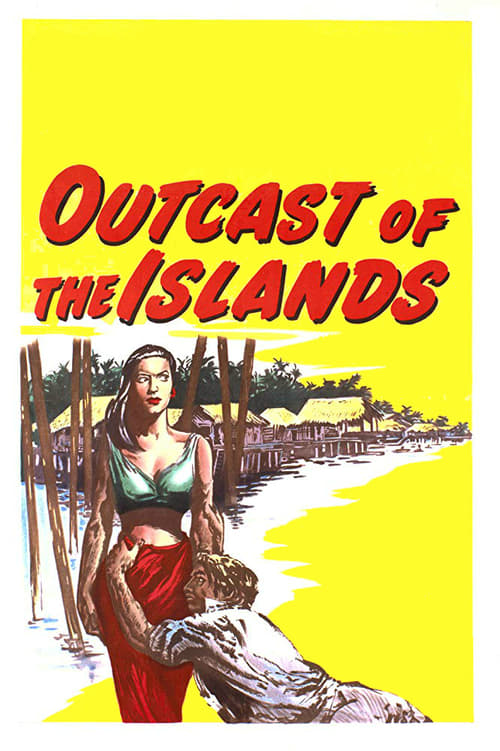
Outcast of the Islands
1951
No user ratings available yet
Representation score: 3.0 out of 10

Representation Score
Excellent
2024
Director
Miguel Gomes
Runtime
129 minutes
Average Rating
No ratings yetNew Showbiz Analysis
Grand Tour succeeds as a transnational exploration that avoids the pitfalls of a centralized, Western-centric narrative. By using a kaleidoscopic structure and diverse settings, it offers a multi-vocal perspective on movement and identity. However, the film remains limited in its explicit representation of specific identity-based politics. While it challenges colonialist clichés through its aesthetic and scope, it lacks focused narratives regarding LGBTQ+ identities or disability. Ultimately, the film's strength lies in its refusal to adhere to traditional hierarchies, providing a nuanced view of the human condition through a fragmented, global lens.
Category Breakdown
The film centers on heterosexual longing and interactions with women. It does not include explicit LGBTQ+ identities or narratives that challenge the assumption that everyone is straight or cisgender. However, it avoids harmful stereotypes.
The narrative challenges traditional hierarchies by focusing on the protagonist's vulnerability and indecision. Female characters are shown to have individual ability to act within their cultural contexts rather than being passive objects.
An international cast and varied settings across Asia, Africa, and Europe avoid a homogeneous Western perspective. The film's global encounters offer a diverse range of experiences.
The episodic structure highlights localized, subjective truths rather than a single cultural or religious morality. It subtly challenges colonialist clichés by deconstructing the traditional travelogue genre.
There is no significant evidence regarding the depiction of physical or neurodivergent disabilities. The film prioritizes the psychological and existential states of its characters.
Present on Screen
Limited or Absent
Official Synopsis
Burma, 1917. Edward, a civil servant for the British Empire, jilts his lovestruck fiancée Molly the day she arrives to be married. As he flees into an unexpected odyssey across Asia, the free-spirited Molly-amused by his moves-follows in pursuit, embarking on a globe-trotting cat-and-mouse chase.
1951

1932

2016

2002
1969
2014
1989
1984
No reviews yet. Be the first to share your thoughts on this movie!
Use the rating form above to leave a star rating and optional review.