
The Dead Nation
2017
No user ratings available yet
Representation score: 6.4 out of 10
Representation Score
Fair
2018
Director
Radu Jude
Runtime
10 minutes
Average Rating
No ratings yetNew Showbiz Analysis
Radu Jude’s documentary offers a sophisticated, postmodern critique of institutional power. It employs a fragmented structure to question the sanctity of historical truth and the legitimacy of state authority. By juxtaposing silent 1946 footage with a later biographical film, it highlights the absurdity of justice. However, the film’s demographic diversity is constrained by its historical focus, resulting in a predominantly male cast and a lack of characters who reflect more than one aspect of diversity. While intellectually progressive in its deconstruction of power, it remains conventionally demographic. Ultimately, the film prioritizes a critique of systemic corruption over social representation, functioning more as a philosophical inquiry into state violence than a diverse character study.
Category Breakdown
The film does not include any prominent LGBTQ+ characters or stories. Its focus is on historical documentation and state violence, which leaves no space for queer themes.
The film centers on male-dominated environments such as the military and judiciary. Although it is not overtly sexist, it follows a traditional patriarchal structure.
The casting is primarily homogeneous, reflecting the specific ethnic context of mid-20th century Romania. It avoids whitewashing by staying true to historical accuracy.
The film effectively breaks down state and religious institutions. It portrays judicial and political authority as corrupt and absurd.
There is no intentional focus on neurodivergence or physical disabilities. Characters are defined by their socio-political roles rather than by physical or mental conditions.
Present on Screen
Limited or Absent
Official Synopsis
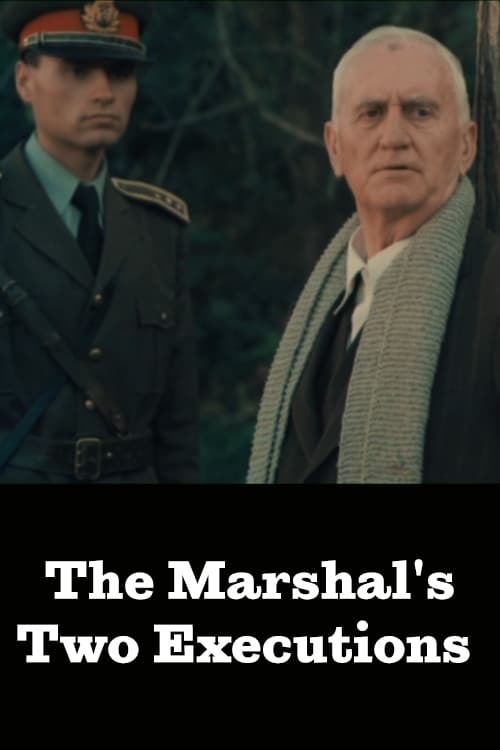
Two different views of the execution of Romanian wartime dictator Ion Antonescu confront one another. On one side is silent footage recorded in 1946 by cameraman Ovidiu Gologan, and on the other side are scenes from a biographical film shot five decades later by director Sergiu Nicolaescu.
2017
2012
2019
2012
2011
2014
2017

2006
No reviews yet. Be the first to share your thoughts on this movie!
Use the rating form above to leave a star rating and optional review.