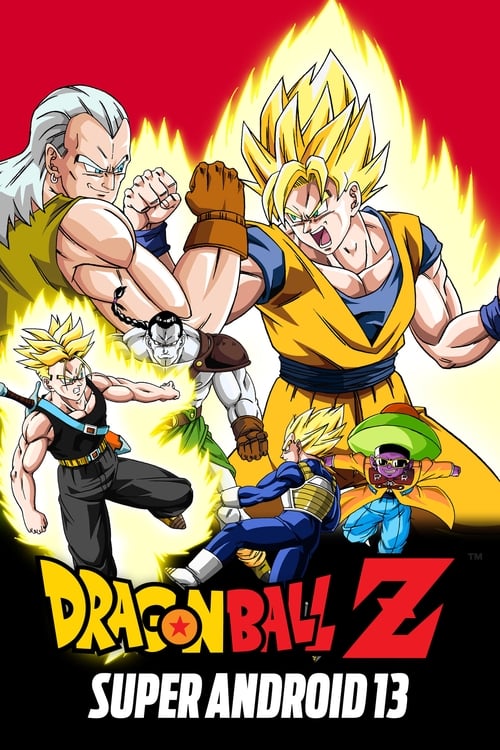
Dragon Ball Z: Super Android 13!
1992
No user ratings available yet
Representation score: 0.5 out of 10

Representation Score
Limited
1992
NRDirector
Daisuke Nishio
Runtime
46 minutes
Average Rating
No ratings yetNew Showbiz Analysis
The film is a typical shōnen action series, focusing on the growth of physical power and combat rather than social issues. It uses traditional hero-versus-villain clichés that prioritize physical strength as the key element of ability to act. The narrative structure upholds established hierarchies, especially around gender and moral clarity. Alien species provide a sense of scale, but they lack the depth needed for rich cultural representation. Overall, the film serves as a high-action spectacle that avoids challenging social norms or exploring diverse identities, staying true to its genre conventions.
Category Breakdown
The film does not include any identifiable LGBTQ+ characters or relationships. The story focuses entirely on combat and the growth of physical abilities.
Men play the leading roles in the film, while women have smaller supporting parts. For example, Bulma supports the male characters but does not take center stage.
Alien species act as stand-ins for diversity. They represent different cultures but often serve as combatants rather than nuanced cultural figures.
The story presents a clear moral divide between heroes and villains, emphasizing physical strength as the main source of power.
The film does not depict any disabilities, either visible or invisible. Characters are defined by their superhuman abilities and technology, not by any form of disability.
Present on Screen
Limited or Absent
Official Synopsis
Cooler has resurrected himself as a robot and is enslaving the people of New Namek. Goku and the gang must help.
1992
1990
1991
1990
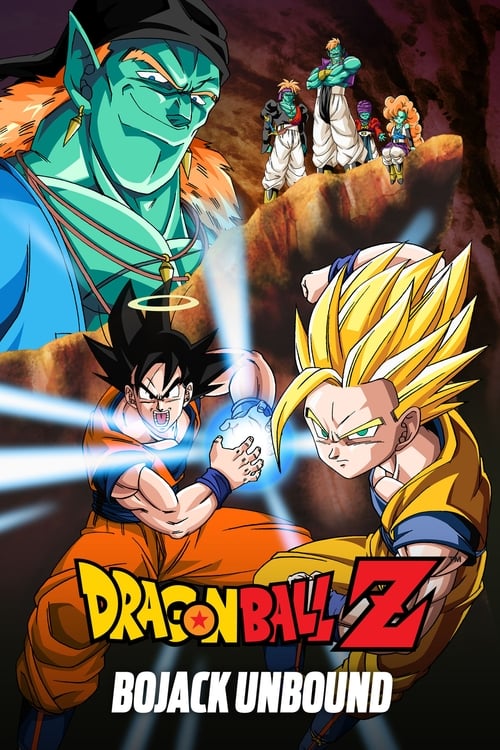
1993
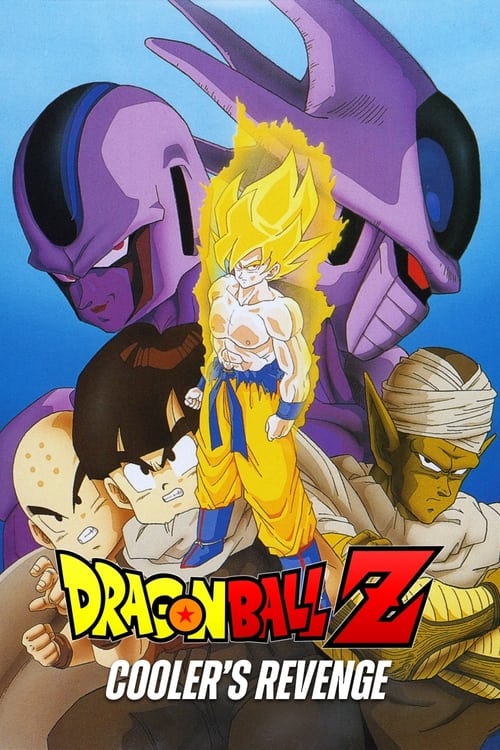
1991
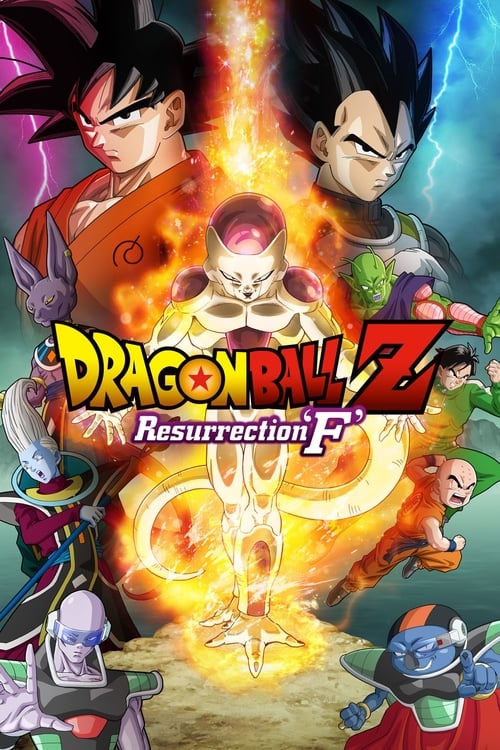
2015
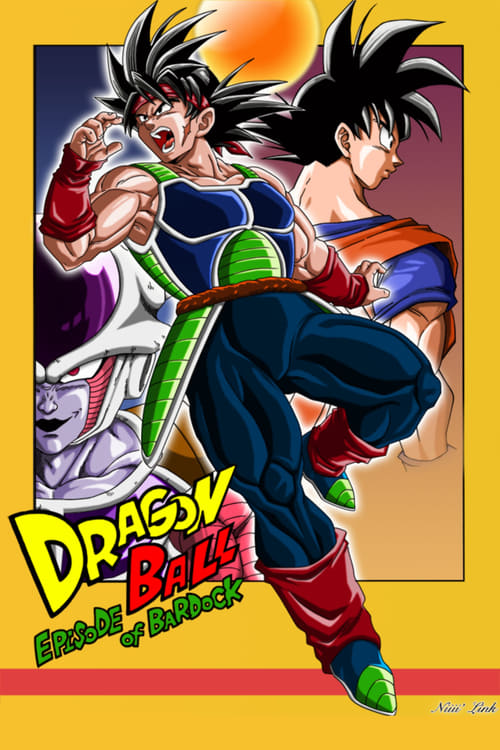
2011
No reviews yet. Be the first to share your thoughts on this movie!
Use the rating form above to leave a star rating and optional review.