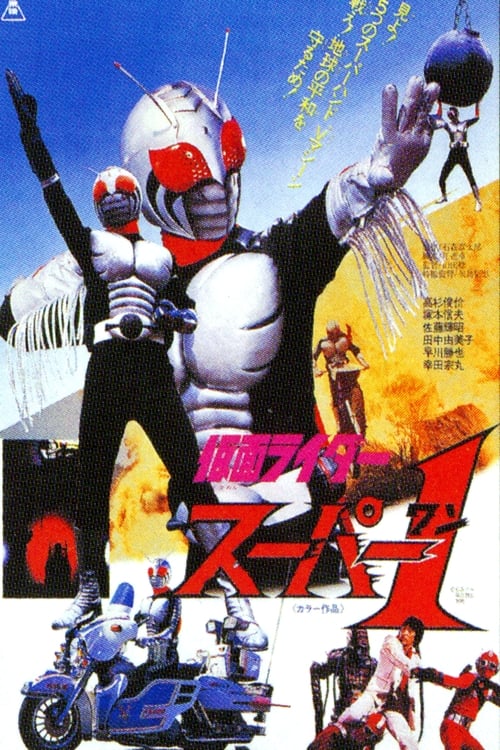
Kamen Rider Super-1: The Movie
1981
No user ratings available yet
Representation score: 1.1 out of 10
Representation Score
Limited
1979
Director
Koichi Takemoto
Runtime
25 minutes
Average Rating
No ratings yetNew Showbiz Analysis
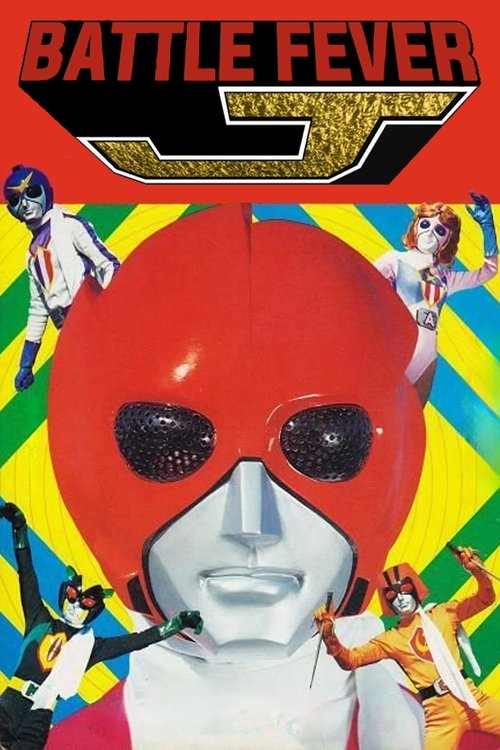
Battle Fever J: The Movie is a classic example of late-1970s tokusatsu, emphasizing traditional heroism and clear moral binaries. The story revolves around institutional loyalty and the defense of national technology, limiting opportunities for social critique. The film reinforces established social hierarchies, particularly regarding gender and cultural identity, with a focus on male-driven plots and a culturally unified cast.
Category Breakdown
The film follows the conventions typical of 1970s action adventures, with no representation of LGBTQ+ identities or non-binary gender expressions.
Male characters dominate the plot, serving as protectors and martyrs. Female characters are present but lack a central driving force.
The cast is predominantly homogeneous, reflecting the cultural context of the Japanese film industry during that time period.
The narrative emphasizes institutional loyalty and the defense of traditional order, framed through the lens of duty and established moral codes.
There is no documented evidence regarding the inclusion of characters with visible or invisible disabilities in this production.
Present on Screen
Limited or Absent
Official Synopsis
Egos kidnaps the children of Information Supervisor Sakaguchi, Yoko and Kenichi. They then blackmail him into stealing the blueprints and completion status of the Battle Fever robo. Tetsuzan Shogun, who joined the Defense Department at the same time as Sakaguchi, is greatly concerned and confronts him. Sakaguchi escapes but vows to make amends. He appears at Egos factory, where they too are building a giant robo, and discloses a false timetable. When Egos orders them killed, Sakaguchi reveals dynamite strapped to his body. He backs away with his children and gets them to safety. He then returns to the factory, and blows himself up to destroy it. Unfortunately, his sacrifice is in vain, as their evil robo is already completed. But Battle Fever’s giant robo is also complete and ready to save the day!
1981
1990
2014

1992
1984
1980
1976
2012
No reviews yet. Be the first to share your thoughts on this movie!
Use the rating form above to leave a star rating and optional review.