
Moon & Cherry
2004
No user ratings available yet
Diversity score: 5.6 out of 10

1983
Director
Masaru Konuma
Runtime
81 minutes
Average Rating
No ratings yetSynopsis
A lusty woman runs a dormitory and a pawn shop for needy male college students. The only payment she asks for is a little nightly servicing.
Overall Score
Fair
Category Breakdown
LGBTQ+ Representation
The narrative focuses on a transactional relationship between a female protagonist and male students. There is no visible evidence of queer identities or non-heteronormative characters.
Gender Representation
The film subverts patriarchal norms by granting the female protagonist economic authority and central agency. She occupies a position of control over the needy male students.
Racial & Ethnic Diversity
The cast is predominantly Japanese, reflecting its specific cultural context. While ethnically homogeneous, the film avoids promoting Anglo-centric norms or whitewashing.
Religious & Cultural Diversity
The story critiques traditional social institutions and moral propriety. It frames sexual agency as a form of economic exchange, prioritizing situational ethics over rigid morality.
Disability Representation
There is no discernible mention of characters with physical or neurodivergent disabilities within the provided context.
Strengths
Areas for Improvement
AI Analysis
Final Scandal: Madam Likes It Hard stands out for its subversion of traditional gender hierarchies. By placing a woman in a position of economic and social authority, the film flips the standard male-provider trope on its head. However, the film remains limited by its era and specific genre constraints. The cast is ethnically homogeneous, and there is a notable absence of LGBTQ+ representation or characters with disabilities. Ultimately, the film's strength lies in its departure from conventional social morality. It uses a non-traditional domestic arrangement to challenge standard notions of family and propriety.
2004

1977

1992

1999

2001

1975

1983
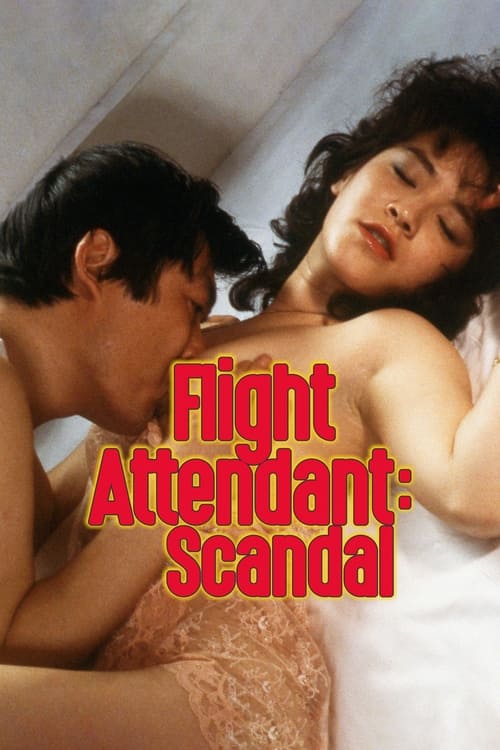
1984

1982

1977

1976

1973
No reviews yet. Be the first to share your thoughts on this movie!
Use the rating form above to leave a star rating and optional review.