
On Call
2016
No user ratings available yet
Diversity score: 6.9 out of 10
2022
Director
Alice Diop
Runtime
115 minutes
Average Rating
No ratings yetSynopsis
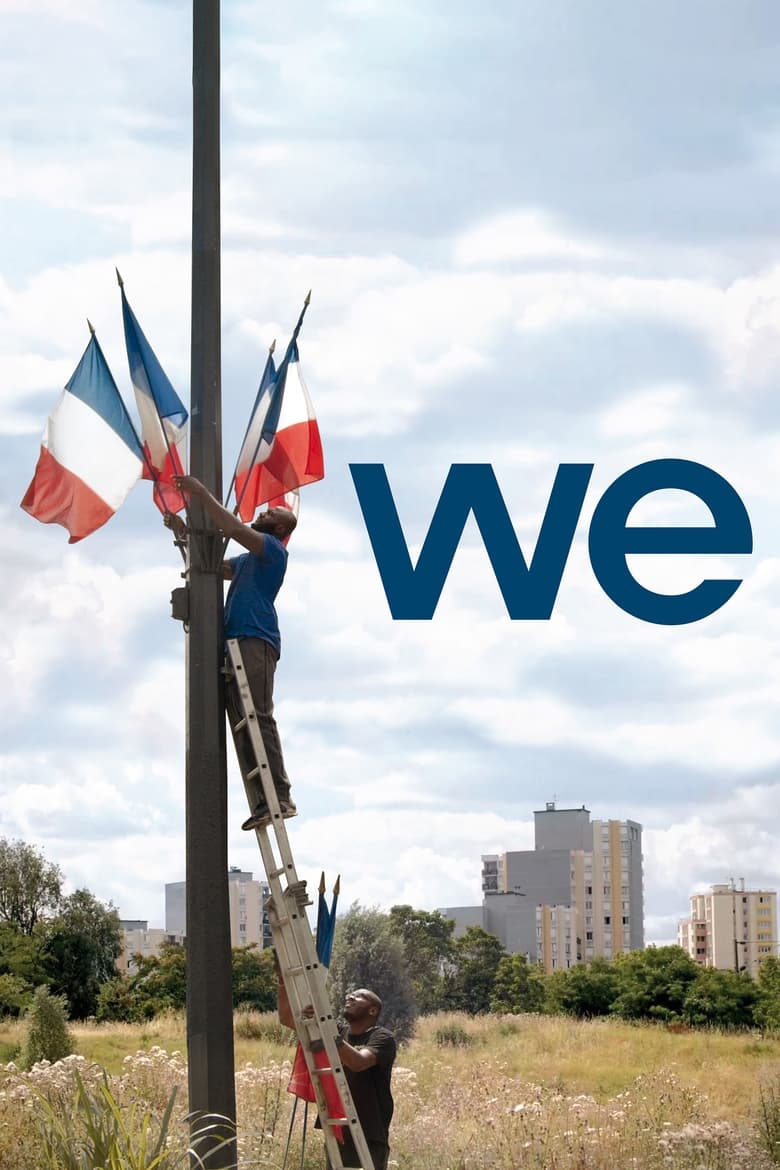
An urban train link, the RER B, crosses Paris and its outskirts from north to south. A journey within indistinct spaces known as inner cities and suburbs. Several portraits, all individual pieces that form a whole. We.
Overall Score
Good
Category Breakdown
LGBTQ+ Representation
The film maintains a strictly observational stance on the Seine-Saint-Denis suburbs. It lacks explicit LGBTQ+ narratives or non-cisnormative identities, focusing instead on a specific demographic of young men.
Gender Representation
The documentary centers heavily on male perspectives and social dynamics within the banlieue. This gender-specific sociological study lacks female agency, reflecting the specific community being observed.
Racial & Ethnic Diversity
Diop excels at centering Black and North African identities. By using the RER B line, the film provides an authentic, high-agency portrait of populations often marginalized in French media.
Religious & Cultural Diversity
The narrative functions as a systemic critique of Western socioeconomic structures. It portrays the isolation of public housing estates through a lens of systemic marginalization and post-colonial frameworks.
Disability Representation
There is no explicit focus on visible or invisible disabilities. The film's scope remains primarily socio-political and racial rather than exploring neurodivergence or physical disability.
Strengths
Areas for Improvement
AI Analysis
Alice Diop’s documentary is a powerful exercise in social realism that disrupts traditional French cinematic narratives. By centering the inhabitants of the RER B train line, the film provides a profound, high-agency look at racial and ethnic diversity, specifically highlighting Black and North African identities. While the film is a triumph of intersectional visibility, it is narrow in its demographic scope. The narrative is heavily weighted toward male subjects, resulting in a lack of female agency and a notable absence of LGBTQ+ identities or disability-focused storytelling. Ultimately, the work succeeds as a systemic critique of socioeconomic exclusion. It transforms a transit route into a canvas for exploring how institutional failures shape the lives of those living on the periphery of society.
2016

2013
2006
2015
2004

2017
2011

2002
2018
2018

2001
2014
No reviews yet. Be the first to share your thoughts on this movie!
Use the rating form above to leave a star rating and optional review.