Press for Time
1966
No user ratings available yet
Diversity score: 3.0 out of 10
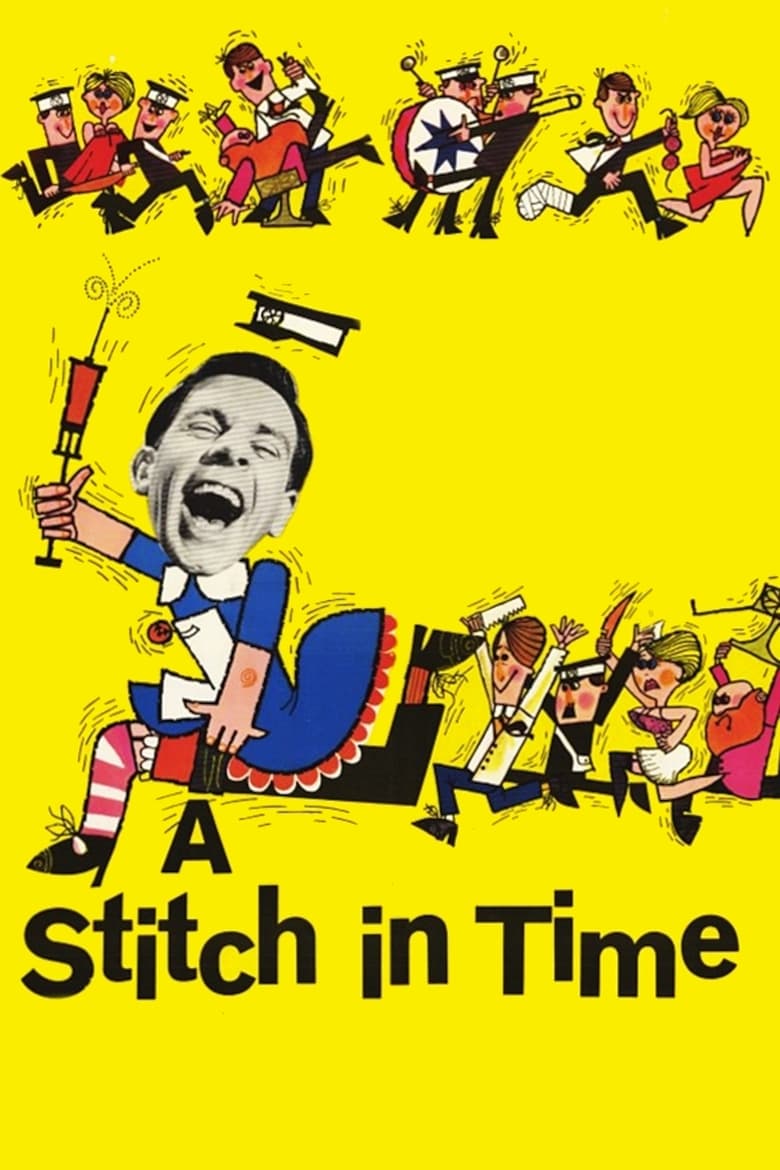
1963
GDirector
Robert Asher
Runtime
89 minutes
Average Rating
No ratings yetSynopsis
An accident in the butchers shop leads Norman Pitkin and Mr Grimsdale to the hospital where, after causing the normal amount of chaos, Pitkin finds Lindy, a little girl who hasn't spoken or smiled since her parents were killed in an aeroplane accident. Pitkin decides to help.
Overall Score
Limited
Category Breakdown
LGBTQ+ Representation
The film lacks any discernible presence of LGBTQ+ characters or non-heteronormative identities. It operates within conventional 1960s social frameworks without queer subtext.
Gender Representation
The narrative adheres to mid-century archetypes, concentrating agency within male characters like Norman Pitkin. Female presence is relegated to secondary or supportive roles.
Racial & Ethnic Diversity
The cast is predominantly homogeneous, reflecting a localized, Anglo-centric setting. There is no racial or ethnic diversity present in the film.
Religious & Cultural Diversity
The story emphasizes community cohesion and standard social structures. It celebrates familiar small-town English life without engaging in critiques of Western institutions.
Disability Representation
A child experiencing selective mutism provides a central emotional arc. However, the depiction leans toward sentimentalism rather than a nuanced study of psychological trauma.
Strengths
Areas for Improvement
AI Analysis
A Stitch in Time is a quintessential product of its 1963 British comedic context. The film prioritizes slapstick humor and established social hierarchies over any meaningful disruption of identity-based norms. The narrative is characterized by a homogeneous cast and traditionalist values. It reinforces the demographic and cultural status quo of the era, offering little in the way of intersectional representation or diverse perspectives. While the plot uses a child's trauma as a catalyst for character growth, the approach remains sentimental. The film functions as a celebration of conventional mid-century social structures.
1966

1965
1962
1960
1949

1939

1914
1964
1965

1977
1967
1963
No reviews yet. Be the first to share your thoughts on this movie!
Use the rating form above to leave a star rating and optional review.