
The Family Jewels
1965
No user ratings available yet
Diversity score: 2.2 out of 10
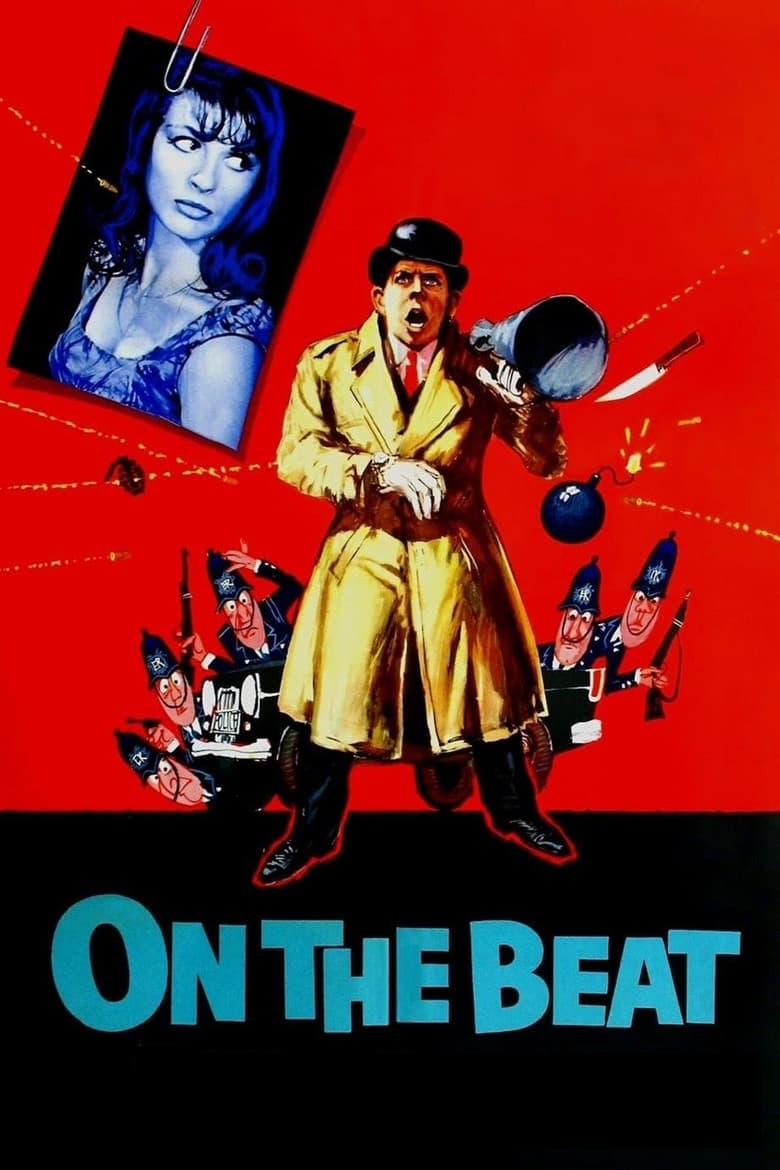
1962
NRDirector
Robert Asher
Runtime
106 minutes
Average Rating
No ratings yetSynopsis
Norman Pitkin wants to be a policeman like his father was, but he fails the height test (amongst others). One day he gets out his father's old uniform and "walks the beat". This leads to a level of chaos that only Pitkin could cause
Overall Score
Minimal
Category Breakdown
LGBTQ+ Representation
The film lacks any discernible presence of LGBTQ+ characters. The social landscape remains strictly aligned with the mid-century heteronormative status quo.
Gender Representation
The narrative is heavily male-centric, focusing on a male-dominated police environment. Female characters lack agency and occupy the periphery of the primary action.
Racial & Ethnic Diversity
The film depicts a largely homogeneous social environment. There is no evidence of a multi-ethnic cast or the integration of diverse racial identities.
Religious & Cultural Diversity
The story operates within a traditional framework of British social order. It does not engage with themes that challenge prevailing cultural norms.
Disability Representation
Physical requirements like the height test serve as comedic plot catalysts. There is no nuanced exploration of physical limitation or neurodivergence.
Strengths
Areas for Improvement
AI Analysis
On the Beat is a conventional 1962 British comedy that prioritizes slapstick farce over social complexity. The narrative architecture centers on a singular male protagonist, Norman Pitkin, and his bumbling attempts to navigate professional hierarchies through impersonation. The film reflects the demographic constraints of its era, reinforcing standard social structures rather than disrupting them. It functions within a traditional comedic framework that focuses on individual incompetence rather than systemic critique or identity politics. Ultimately, the production lacks intersectional perspectives, offering a homogeneous view of mid-century London that avoids engaging with diverse racial, gendered, or sexual identities.
1965
1962
1957

1948
1954

1965

1985

1986
1982
1966
1969

1996
No reviews yet. Be the first to share your thoughts on this movie!
Use the rating form above to leave a star rating and optional review.