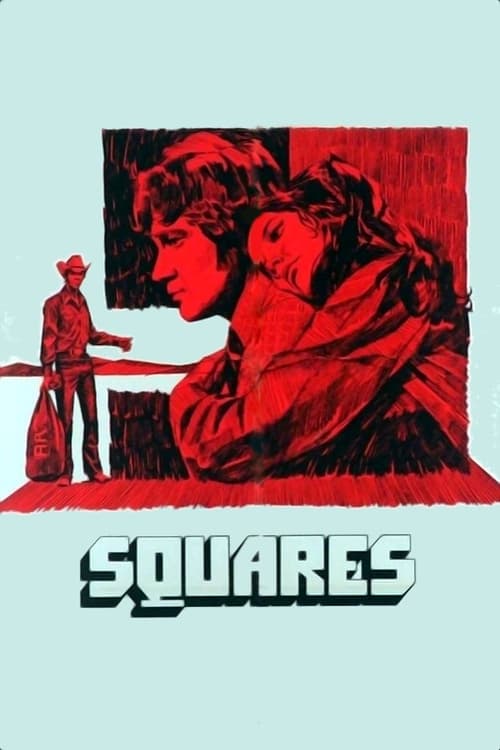
Squares
1972
No user ratings available yet
Representation score: 2.9 out of 10
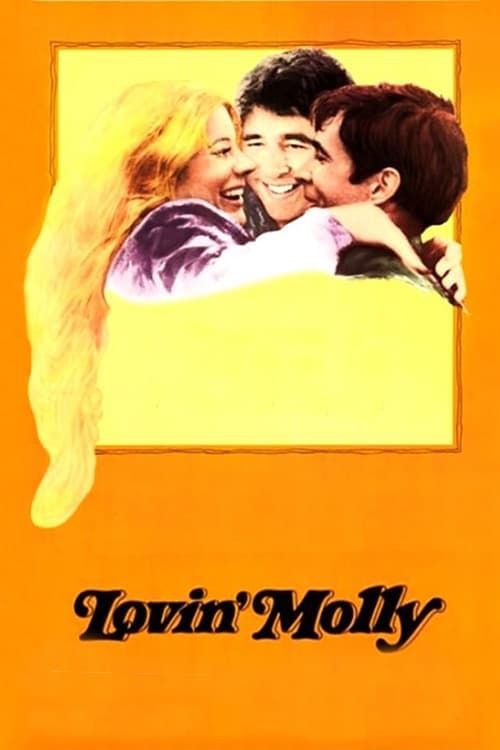
Representation Score
Limited
1974
RDirector
Sidney Lumet
Runtime
98 minutes
Average Rating
No ratings yetNew Showbiz Analysis
Sidney Lumet’s drama excels in its portrayal of female autonomy. By centering the plot on Molly’s resilience against patriarchal and economic pressures, the film highlights her intellect and independence. However, the film lacks diversity. The narrative is confined to a homogeneous white, working-class perspective, offering no representation for LGBTQ+ identities or diverse racial and ethnic groups. While the film provides a nuanced critique of systemic socioeconomic hierarchies, its narrow demographic focus limits its overall diversity.
Category Breakdown
The film does not include any LGBTQ+ characters or narratives. The romantic conflicts are strictly heterosexual and do not hint at any queer relationships.
Molly Taylor is a strong female lead who challenges traditional gender roles. She focuses on her own economic and personal independence rather than being defined by male-driven romantic competition.
The cast is predominantly white and focuses on a specific regional setting. It explores the lives of white, working-class individuals during the Great Depression.
The narrative questions traditional institutions and the breakdown of the family unit. Social transgressions are framed through systemic economic instability rather than strict Christian morality.
There is no significant representation of physical, neurodivergent, or mental health disabilities within the main character arcs.
Present on Screen
Limited or Absent
Official Synopsis
Spanning nearly 40 years from 1925 to 1964, two Texas farm boys; straight-arrow Gid and laid-back Johnny fight over the affections of the beautiful and headstrong Molly Taylor, who consistently refuses to marry either of them.
1972
1960
1970
1967
1957

1971
1957

1972
No reviews yet. Be the first to share your thoughts on this movie!
Use the rating form above to leave a star rating and optional review.