Beauty on the Beach
1950
No user ratings available yet
Diversity score: 1.3 out of 10
1947
ApprovedDirector
Connie Rasinski
Runtime
7 minutes
Average Rating
No ratings yetSynopsis
Mighty Mouse at his fighting and singing best, rescuing the damsel-in-distress and his sweetheart, Pearl Pureheart, from the clutches of the oil-can-harry villain. He even finds himself tied to the railroad tracks and the situation appears desperate, but Mighty Mouse does it again in true super-hero, cliffhanging, true-serial thriller style, and leaps into a duel defying the loaded gun of the villain.
Overall Score
Minimal
Category Breakdown
LGBTQ+ Representation
The narrative follows a strictly heteronormative structure. It focuses on a traditional romantic interest and a hero-damsel dynamic without any non-cisnormative identities.
Gender Representation
The film relies on traditional gender archetypes. Pearl Pureheart serves as a passive damsel in distress, while Mighty Mouse maintains all physical agency and dominance.
Racial & Ethnic Diversity
The story lacks a diverse cast or multi-ethnic storytelling. The conflict remains centered on a localized, anthropomorphic struggle.
Religious & Cultural Diversity
The plot adheres to a classic Western heroic morality. It reinforces a binary of good versus evil and upholds the status quo of traditional justice.
Disability Representation
There is no visible or invisible disability representation. The characters do not exhibit neurodivergent traits or physical impairments.
Strengths
Areas for Improvement
AI Analysis
A Fight to the Finish is a quintessential product of its 1947 era, leaning heavily into established mid-century animation tropes. The storytelling prioritizes high-stakes action and cliffhanger thrills over social complexity or character depth. The film reinforces historical hierarchies through its character dynamics. By casting the female lead in a purely reactive role and the male lead as the sole source of power, the narrative maintains a rigid social structure. Ultimately, the work functions as a standard genre piece. It lacks intersectional lenses, focusing instead on a binary moral conflict that avoids any critique of Western institutions or social norms.
1950
1943
1952
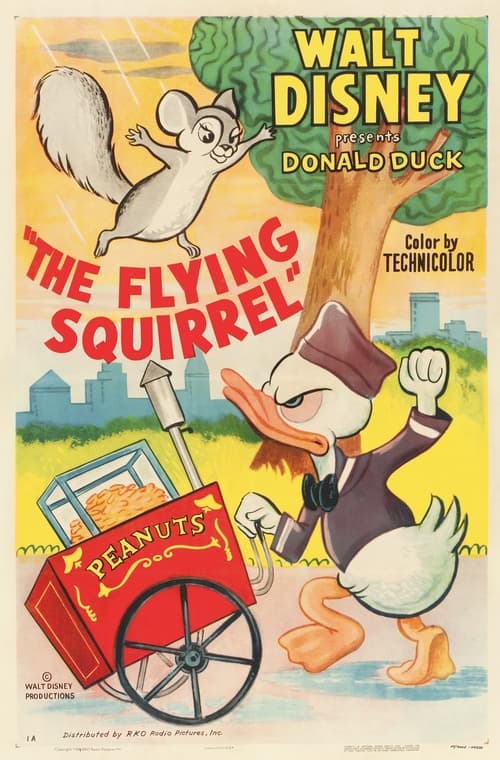
1954
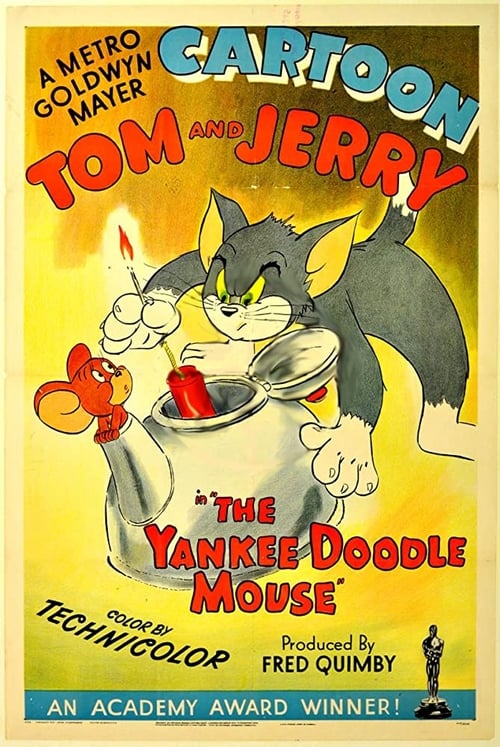
1943
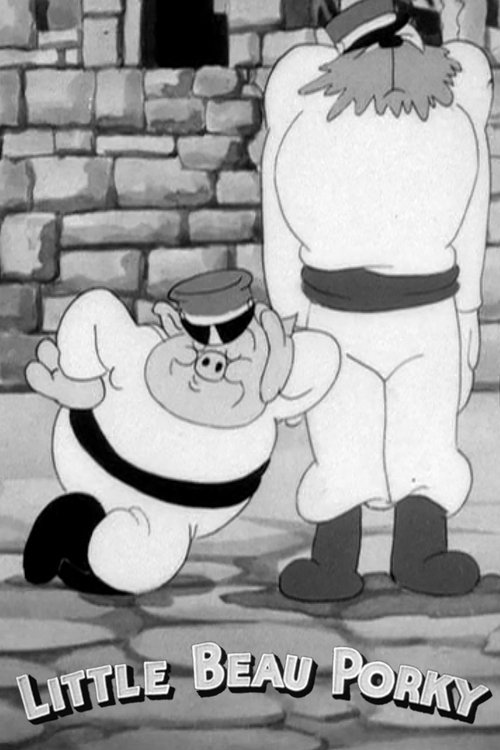
1936
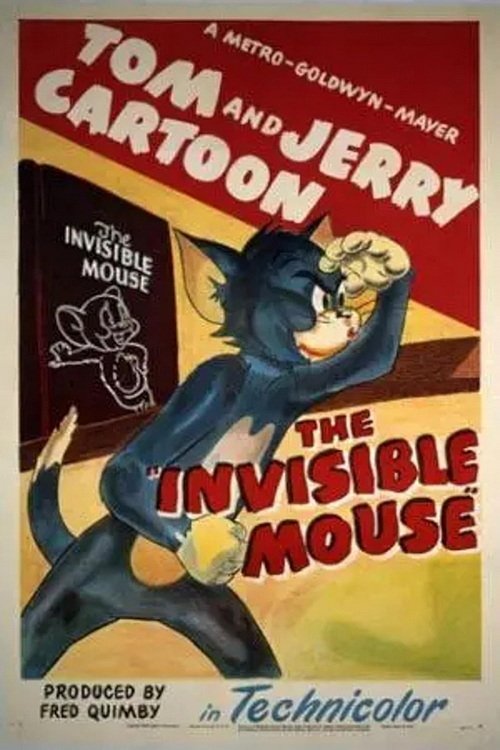
1947
1933
1944

1945
1953
1948
No reviews yet. Be the first to share your thoughts on this movie!
Use the rating form above to leave a star rating and optional review.