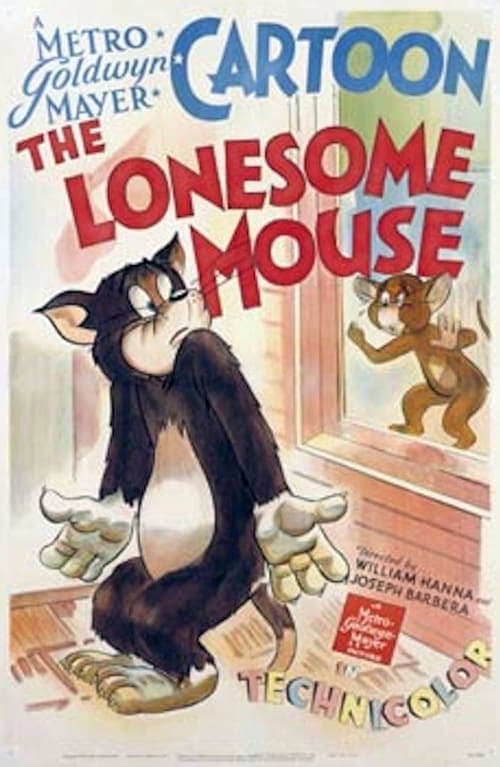
The Lonesome Mouse
1943
No user ratings available yet
Representation score: 0.3 out of 10
Representation Score
Minimal
1943
NRDirector
Joseph Barbera, William Hanna
Runtime
8 minutes
Average Rating
No ratings yetNew Showbiz Analysis
The film is a product of its 1943 wartime context, prioritizing nationalistic cohesion over social complexity. It utilizes a stylized American Revolutionary War setting to mirror contemporary geopolitical tensions through slapstick comedy. Because the characters are anthropomorphic animals, the film bypasses traditional human hierarchies but fails to introduce any multi-layered or diverse perspectives. The narrative structure reinforces rather than disrupts the cultural sentiments of the era. Ultimately, the work functions as a celebration of institutional loyalty and traditionalist patriotism, offering no engagement with neurodivergence, gender diversity, or racial variety.
Category Breakdown
The film focuses solely on an anthropomorphic conflict between a cat and a mouse, with no LGBTQ+ identities or narratives present.
The story centers on a binary combat between two male-coded animals, with no female characters, resulting in a lack of gender diversity.
The cast consists of anthropomorphic animals used as metaphors for nationalistic conflict. The film reinforces a homogeneous patriotic identity without multi-ethnic perspectives.
The narrative celebrates Western institutions and traditionalist fervor through wartime imagery. It functions as a vehicle for patriotism without offering cultural critique.
There are no depictions of visible or invisible disabilities. The characters are defined by slapstick violence and combat roles.
Present on Screen
Limited or Absent
Official Synopsis
As Tom and Jerry stage their typical fight sequences, the patriotic soldier theme of the title is evidenced by such things as a carton of eggs labeled "Hen Grenades"; Jerry dropping light bulbs from an airplane like bombs; and Jerry sending a telegram with the message "Sighted Cat - Sank Same." Musical phrasings from various patriotic war songs are heard throughout. The cut scene after Jerry hitting Tom with the board 4 times was cut from the 1950 reissue print for a war bond joke, and the original footage is currently considered "lost" due to the negatives destroyed in the 1978 George Eastman House fire.
1943
1947
1950

1945

1944
1953
1954
1935
No reviews yet. Be the first to share your thoughts on this movie!
Use the rating form above to leave a star rating and optional review.