Destroyer
1943
No user ratings available yet
Representation score: 0.2 out of 10
Representation Score
Minimal
1945
NRDirector
William A. Wellman
Runtime
100 minutes
Average Rating
No ratings yetNew Showbiz Analysis
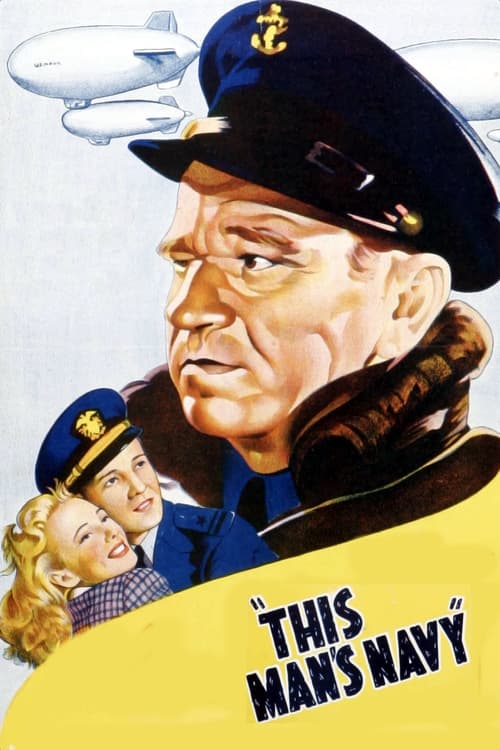
This Man's Navy is a quintessential wartime narrative that prioritizes institutional loyalty and traditional heroism. It focuses on reinforcing established military, gender, and racial hierarchies rather than challenging them. The film's perspective is narrowly focused on the white American military experience during World War II. It lacks meaningful roles for women or characters of color, instead using them as secondary figures within a male-dominated structure. Ultimately, the film serves as a benchmark for mid-century conventional storytelling, emphasizing duty to the state and the stability of traditional Western institutions.
Category Breakdown
The film follows a strictly heterosexual and cisgender framework. It does not include any depictions of same-sex relationships or non-binary identities.
Men hold most of the key roles, while women are mainly portrayed in supporting, domestic, or romantic roles that motivate the male characters.
The cast is primarily white and Anglo-Saxon. Although the story involves the Pacific Theater, the viewpoint remains centered on the white American military experience.
The narrative upholds Western institutional values and patriotism. It emphasizes a clear moral framework centered on the Allied war effort and military duty.
There is no representation of physical or neurodivergent disabilities. Characters are defined solely by their ability to serve in wartime.
Present on Screen
Limited or Absent
Official Synopsis
During World War II, Chief Aviation Pilot Ned Trumpet is in charge of an airship at Lakehurst, New Jersey naval base. Trumpet orders an unauthorized and premature attack on a German submarine but the bomb misses and the submarine fires back, hitting the airship. Trumpet takes over the controls and sinks the submarine, The pilot faces a court-martial for disobeying orders but the older man takes the blame for his actions. Weaver transfers to the Ferry Command, and while on assignment in Burma, his aircraft crashes in Japanese territory. Trumpet rushes to the scene with a rescue team. Both are successfully brought out and are decorated for their heroism. Afterward, Weaver indicates that he will be returning to the lighter-than-air service in Lakehurst, to reunite with his "father".
1943

1939

1944

1949

1931

1942
1943

1962
No reviews yet. Be the first to share your thoughts on this movie!
Use the rating form above to leave a star rating and optional review.