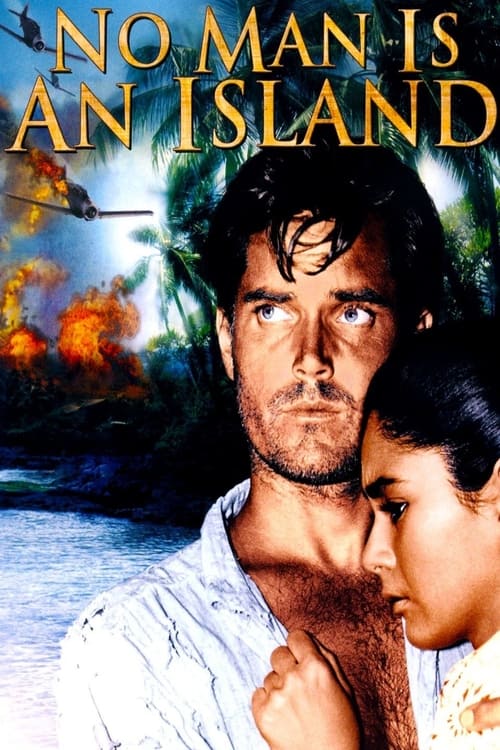
No Man Is an Island
1962
No user ratings available yet
Representation score: 2.4 out of 10
Representation Score
Minimal
1944
ApprovedDirector
Cecil B. DeMille
Runtime
140 minutes
Average Rating
No ratings yetNew Showbiz Analysis
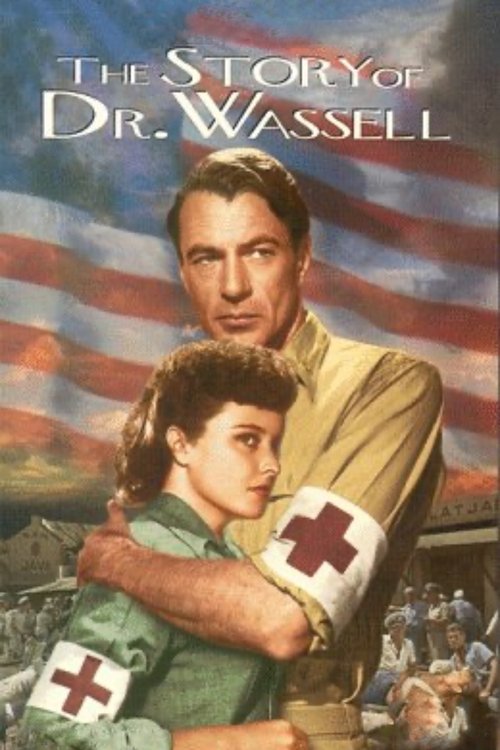
This wartime drama upholds traditional social and institutional hierarchies. It reflects its era by promoting patriotism and respect for authority. While the central interracial relationship adds some diversity for the time, the narrative remains focused on Western perspectives.
Category Breakdown
There are no identifiable LGBTQ+ characters or explorations of non-straight relationships in the film. The story focuses solely on traditional romantic relationships and domestic life.
The film follows mid-century gender roles where the female lead supports the male protagonist's military career. Her role is limited to supporting his actions.
An interracial relationship between the white protagonist and a Micronesian woman adds some diversity. However, the portrayal remains influenced by Western perspectives.
The film highlights patriotism and Western institutions. It promotes a singular moral framework centered on duty to the state without exploring different moral viewpoints.
Disability is used as a plot device to motivate the protagonist's sense of duty. Wounded sailors are shown receiving medical care but are not portrayed as independent individuals.
Present on Screen
Limited or Absent
Official Synopsis
As the Japanese sweep through the East Indies during World War II, Dr. Wassell is determined to escape from Java with some crewmen of the cruiser Marblehead. Based on a true story of how Dr. Wassell saved a dozen or so wounded sailors who were left behind when able bodied men were evacuated to Australia.
1962
1945
1943
2003
1988

2001

1942
2008
No reviews yet. Be the first to share your thoughts on this movie!
Use the rating form above to leave a star rating and optional review.