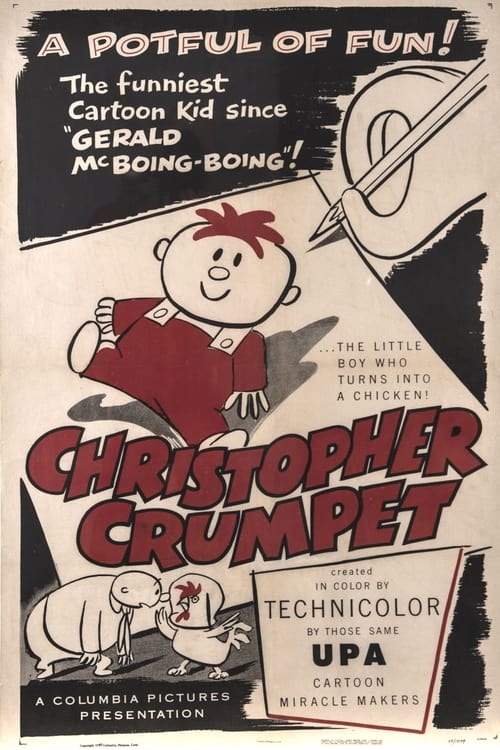
Christopher Crumpet
1953
No user ratings available yet
Diversity score: 3.2 out of 10
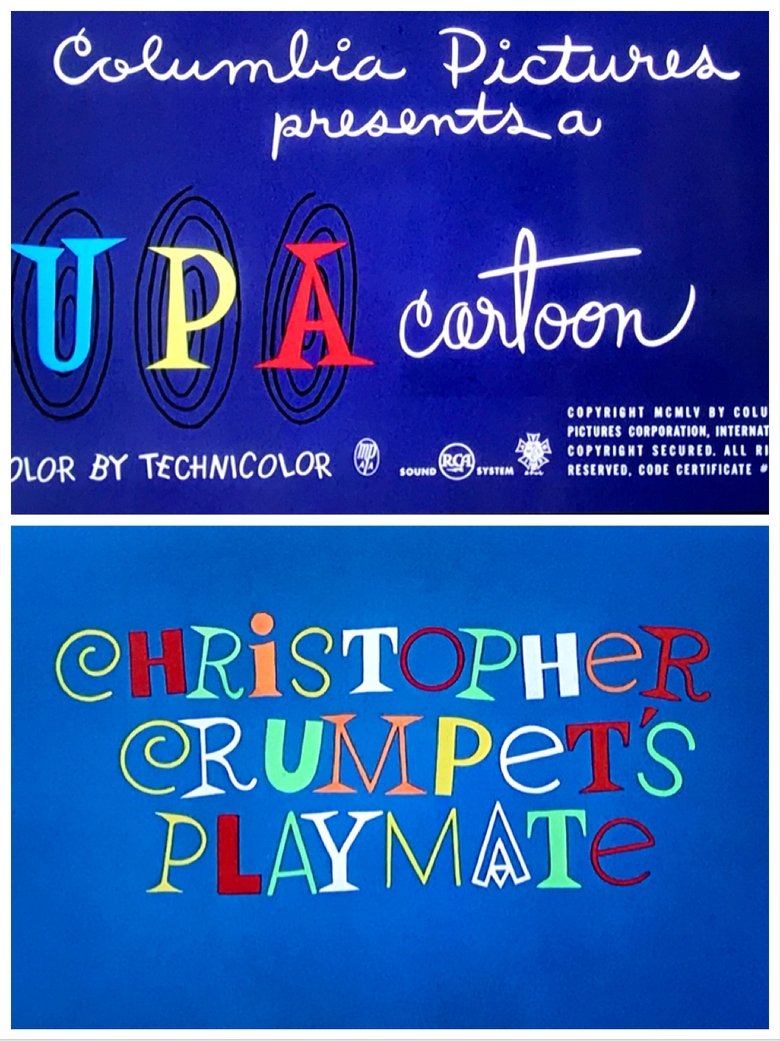
1955
ApprovedDirector
Robert Cannon
Runtime
6 minutes
Average Rating
No ratings yetSynopsis
Christopher Crumpet has an imaginary elephant for a playmate. Christopher's father begins to see the elephant. Mr. Crumpet reveals this to his co-worker, Mr. Bilgewater, who quickly plays office politics by telling their boss that Mr. Crumpet is crazy. The boss has recently awarded Crumpet a junior partnership, which Bilgewater thought he had deserved. The boss visits the Crumpet home, and finds that Crumper does indeed see his son's imaginary playmate. But instead of taking the junior partnership away from Crumpet, he makes him a full partner. The boss himself has an imaginary hyena.
Overall Score
Limited
Category Breakdown
LGBTQ+ Representation
The film lacks any visible LGBTQ+ characters or narratives addressing non-cisnormative identities. The story focuses strictly on domestic and workplace interactions.
Gender Representation
The narrative relies on a patriarchal structure featuring a father, a male co-worker, and a male boss. It reinforces traditional masculine hierarchies within professional settings.
Racial & Ethnic Diversity
There is no indication of a diverse cast or non-Anglo-Saxon characters. The setting appears to be a homogeneous, mid-century Western environment.
Religious & Cultural Diversity
The film explores subjective reality but does not critique Western institutions. It concludes by reinforcing corporate hierarchies through a traditional reward-based structure.
Disability Representation
Perceptions of imaginary companions are treated as whimsical rather than providing agency to neurodivergent characters. Mental health is framed through a comedic lens.
Strengths
Areas for Improvement
AI Analysis
This mid-century animation functions as a traditional comedy that adheres to established social hierarchies. The narrative focuses on whimsical storytelling and workplace politics rather than identity-driven themes. The film lacks intentionality in disrupting conventional expectations regarding gender, race, or systemic power. It presents a very narrow, homogeneous view of mid-century life. While it touches on altered states of perception, it does so through a lens of fantasy rather than a nuanced exploration of neurodivergence or disability.
1953
1959
1953
1952
1957

1959

1953
1957
1956

1941
1957
1954
No reviews yet. Be the first to share your thoughts on this movie!
Use the rating form above to leave a star rating and optional review.