Vital Signs
1990
No user ratings available yet
Representation score: 4.8 out of 10
Representation Score
Fair
1980
Director
Kazuki Ōmori
Runtime
126 minutes
Average Rating
No ratings yetNew Showbiz Analysis
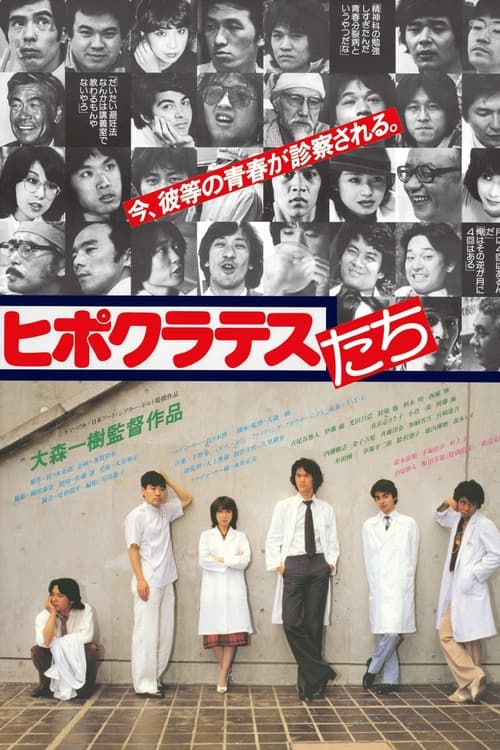
Disciples of Hippocrates is a character study of a medical student caught between professional duties and radical political activism. The film excels in its thematic exploration of institutional conflict and anti-establishment sentiment. However, the narrative remains traditional in its social composition, focusing on a male lead and a straight relationship. This limits the breadth of its social representation. While the film lacks diversity in casting and identity, it provides significant cultural depth through its depiction of political upheaval and questioning of systemic authority.
Category Breakdown
The film focuses on a romantic relationship between Ogino and his girlfriend. It does not include any non-straight identities or critiques of straight-centered assumptions.
The male protagonist's professional and political struggles take center stage. A female partner is present but her role seems secondary to Ogino's journey.
As a Japanese production from 1980, the film reflects the homogeneous demographics of its time. The story centers on local social and political issues.
The narrative contrasts radical militancy with medical institutions, offering a compelling critique of established power and social conformity.
The story does not feature characters dealing with physical, neurodivergent, or mental health conditions.
Present on Screen
Limited or Absent
Official Synopsis
The story revolves around Ogino, who is in the last year of his medical studies. Between lectures, exams, on field training, his commitment as a pro-reformist militant and his girlfriend, Ogino is starting to wonder if he's really cut out to be a doctor.
1990

1965

1966

2014

2009

1973

1970

2011
No reviews yet. Be the first to share your thoughts on this movie!
Use the rating form above to leave a star rating and optional review.