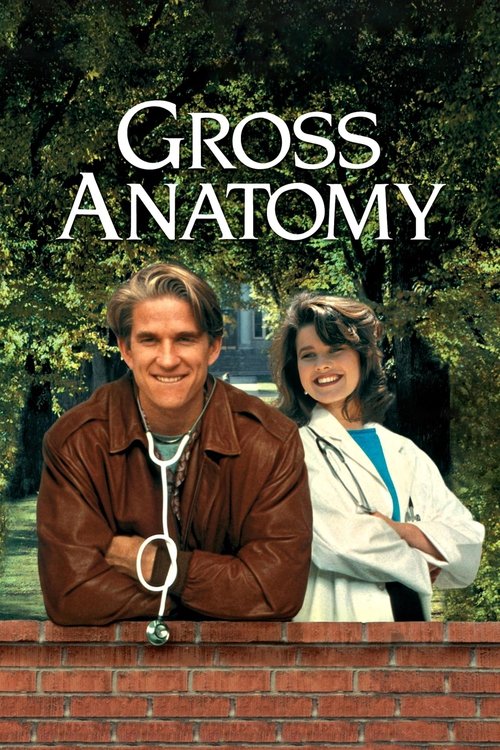
Gross Anatomy
1989
No user ratings available yet
Representation score: 4.7 out of 10
Representation Score
Fair
1990
RDirector
Marisa Silver
Runtime
102 minutes
Average Rating
No ratings yetNew Showbiz Analysis
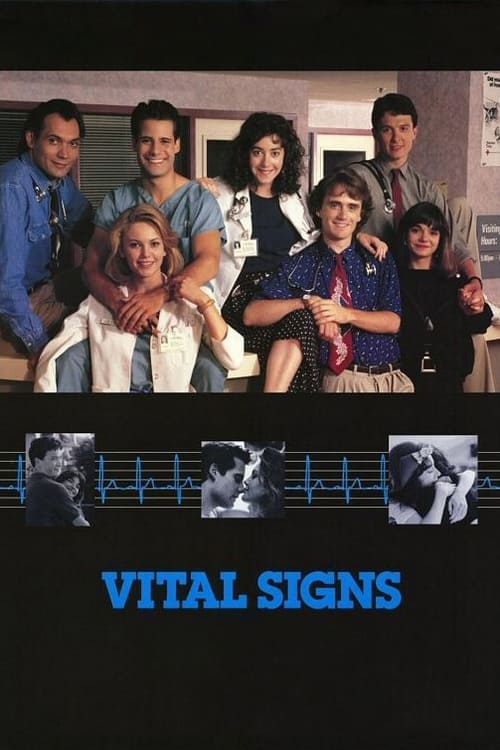
Vital Signs offers a moderate level of inclusion by challenging the traditional male-centric lens of medical dramas. The presence of a female director and a person of color in a position of professional authority provides a necessary shift in perspective. However, the film remains largely tied to established social norms. It focuses on individual professional survival and conventional romantic complexities rather than engaging in systemic critique or radical identity politics. While it avoids the most homogeneous clichés of the genre, it lacks significant representation for LGBTQ+ identities or disability narratives.
Category Breakdown
The film does not explicitly feature LGBTQ+ characters or stories that challenge traditional heterosexual relationships. It focuses on conventional romantic themes within a medical school environment.
With a female director and prominent female leads like Diane Lane, the film suggests a move away from traditionally male-dominated medical narratives. The story delves into gendered experiences through both professional and romantic challenges.
Jimmy Smits portrays a surgeon instructor with significant authority, providing a meaningful counterpoint to traditional racial hierarchies often found in medical institutions. This role helps diversify the typical depiction of authority in such settings.
The narrative operates within Western institutional and meritocratic values, focusing on professional specialization rather than critiquing social structures or presenting anti-institutional viewpoints.
There is no documented evidence indicating the portrayal of physical or neurodivergent disabilities in the film's synopsis or critical reception.
Present on Screen
Limited or Absent
Official Synopsis
As they enter their third year of medical school, a group of young students must prepare to decide what they intend to specialize in. Somehow, they must impress the Chief of Surgery while learning how to survive the life-and-death area of medicine and the complexity of their everyday lives.
1989
2014
1995

2018

1993

1973
1934

2001
No reviews yet. Be the first to share your thoughts on this movie!
Use the rating form above to leave a star rating and optional review.