
The False Student
1960
No user ratings available yet
Representation score: 6.5 out of 10
Representation Score
Fair
1970
Director
Shirō Moritani
Runtime
89 minutes
Average Rating
No ratings yetNew Showbiz Analysis
Shirō Moritani’s film serves as a historical document of social conflict. It gains strength from its engagement with the era's political upheavals, using student activism to dismantle traditional social orders and institutional authority. However, the film remains limited by its lack of diverse representation. The narrative is primarily a localized study, lacking explicit examples of LGBTQ+ identities or multi-ethnic casting. Ultimately, the work is defined by its focus on critiquing systemic issues rather than diverse character demographics, prioritizing the disruption of the status quo through political activism.
Category Breakdown
The film does not explicitly show non-straight or non-cisgender identities. There are no scenes where same-sex intimacy is clearly shown. The story does not provide any clear examples of LGBTQ+ individuals taking a leading role.
Set during the turn of the decade, the film challenges traditional gender roles by showing young people actively participating in politics. The main character's journey highlights moving from traditional domestic roles to active public engagement.
Being a Japanese production from 1970, the film features a predominantly homogeneous cast reflecting the local population. It focuses on the local culture rather than showcasing a diverse range of ethnicities or multiple layers of identity.
The film explores progressive themes by focusing on student activism and opposition to authoritarianism. This emphasis allows for a critique of established institutions and traditional state structures.
There is no information about the portrayal of physical or neurodivergent disabilities in the available narrative.
Present on Screen
Limited or Absent
Official Synopsis
A high-schooler involved in turn-of-the-decade student movements works to escape his comfort zone and apply himself.
1960
2001
1960
1965
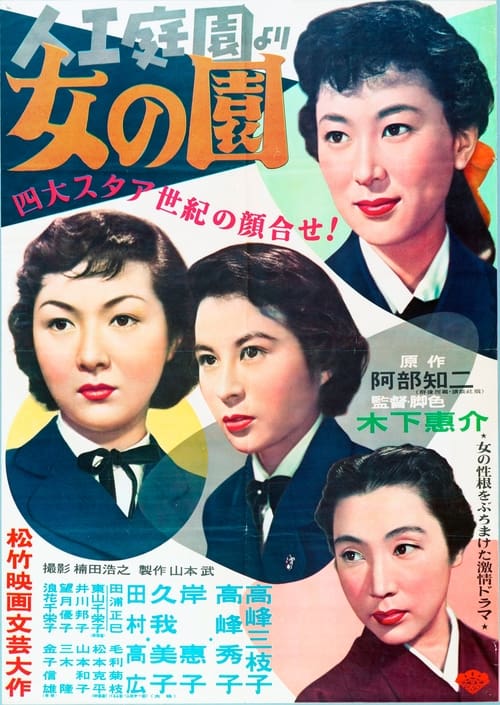
1954
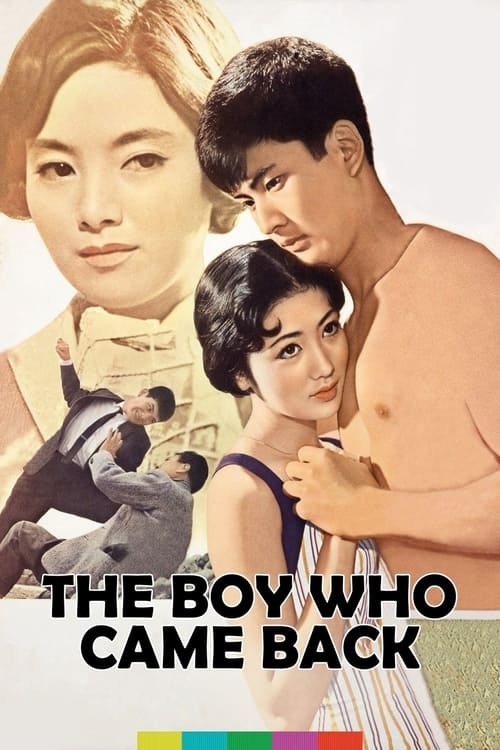
1958
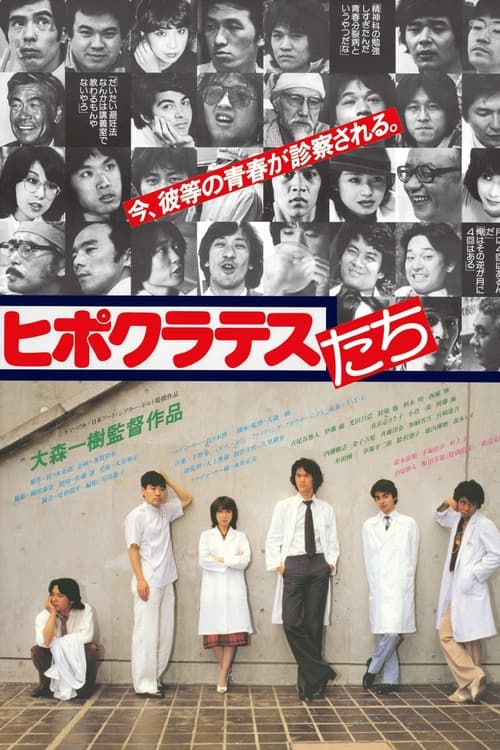
1980

1970
No reviews yet. Be the first to share your thoughts on this movie!
Use the rating form above to leave a star rating and optional review.