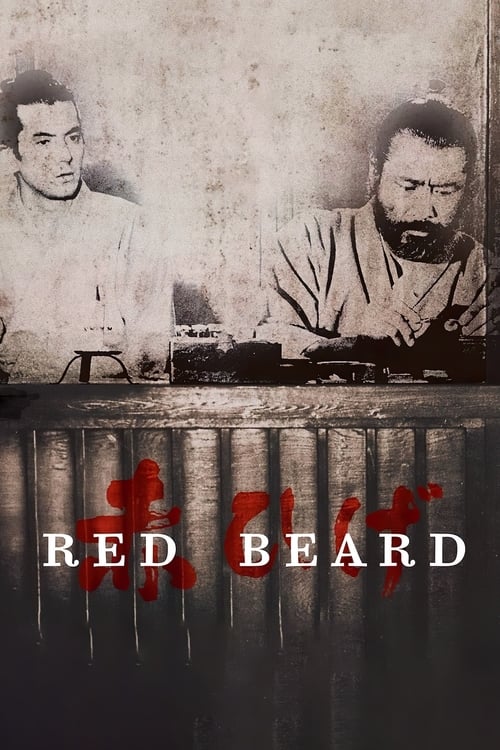
Red Beard
1965
No user ratings available yet
Representation score: 4.3 out of 10
Representation Score
Good
2009
Director
Miwa Nishikawa
Runtime
127 minutes
Average Rating
No ratings yetNew Showbiz Analysis
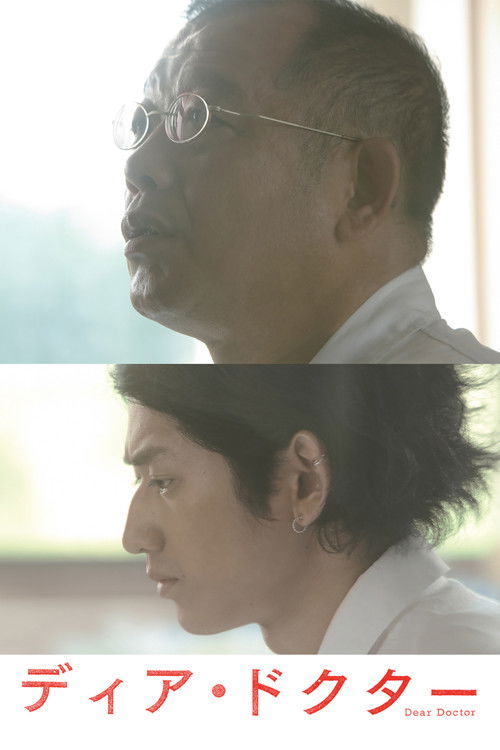
Dear Doctor is a character-driven drama that prioritizes moral complexity over demographic breadth. The film's strength lies in its willingness to deconstruct the perceived infallibility of professional institutions and social hierarchies. By focusing on a doctor's past mistakes, the narrative challenges the stability of communal reputation. However, the film operates within a relatively homogeneous social framework. The setting and plot focus on internal community ethics rather than diverse identity representation. This results in a narrative that is intellectually progressive regarding ethics but limited in visible demographic variety.
Category Breakdown
The film does not include explicit LGBTQ+ characters or narratives. The story focuses on professional and ethical issues within a rural medical community, which typically centers around straight relationships.
The narrative explores professional hierarchies between a seasoned doctor and an intern. While the protagonist's perfection is deconstructed, the gender of the supporting cast remains unspecified.
Set in a rural Japanese village, the film operates within a culturally homogeneous context. It focuses on internal community dynamics rather than blending different racial backgrounds.
The film excels by challenging absolute morality through a community's re-evaluation of a respected leader. It portrays medical institutions as subject to systemic scrutiny and human error.
The medical setting suggests characters may deal with illness or physical vulnerability. However, it is unclear if these conditions are portrayed as lived experiences or merely as plot devices.
Present on Screen
Limited or Absent
Official Synopsis
Osamu Ino is a great doctor who is beloved in his rural village. His knowledge and dedication make an equally strong impression on his reluctant medical intern, Keisuke Soma. But, Soma and the villagers reconsider their opinion when they learn about a shameful incident from Dr. Ino's past. Now the once-respected doctor must account for his past actions.
1965
1982
2022
2011
1999
1980
2010
2021
No reviews yet. Be the first to share your thoughts on this movie!
Use the rating form above to leave a star rating and optional review.